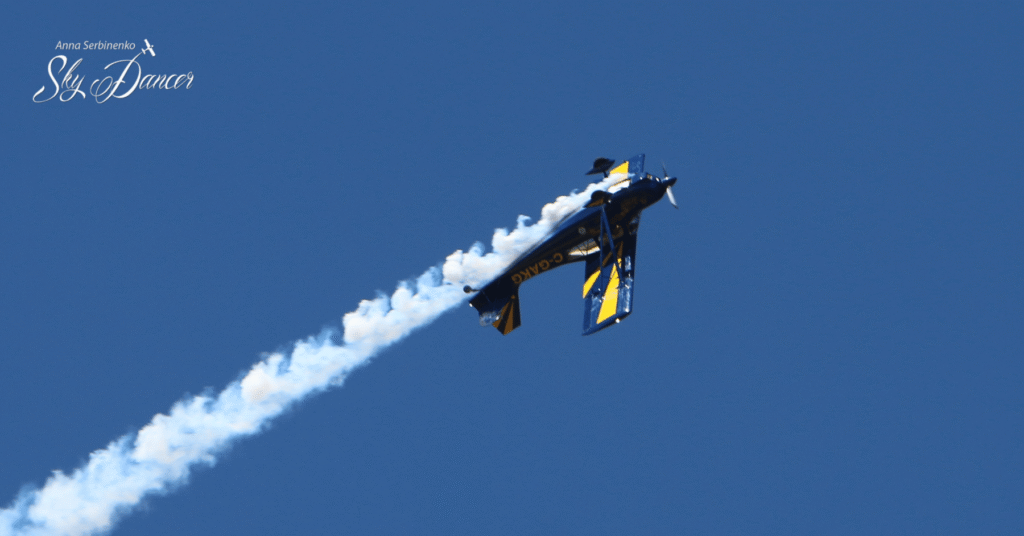
With a perfect airshow weather and excited spectators, this show was a breeze.
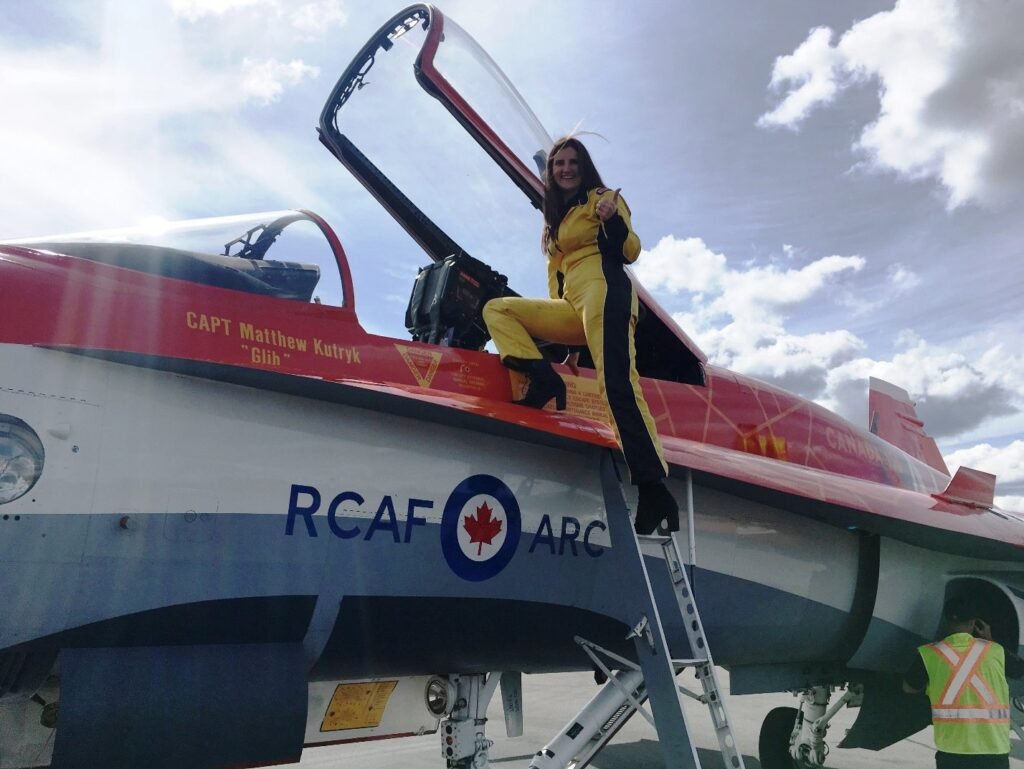
I had a chance to get a closer look at the F-18. But what was really revealing is talking to Ross Granley, who flew those for six years in the airforce, on how actually capable and maneuverable these jets are – if you know how to.
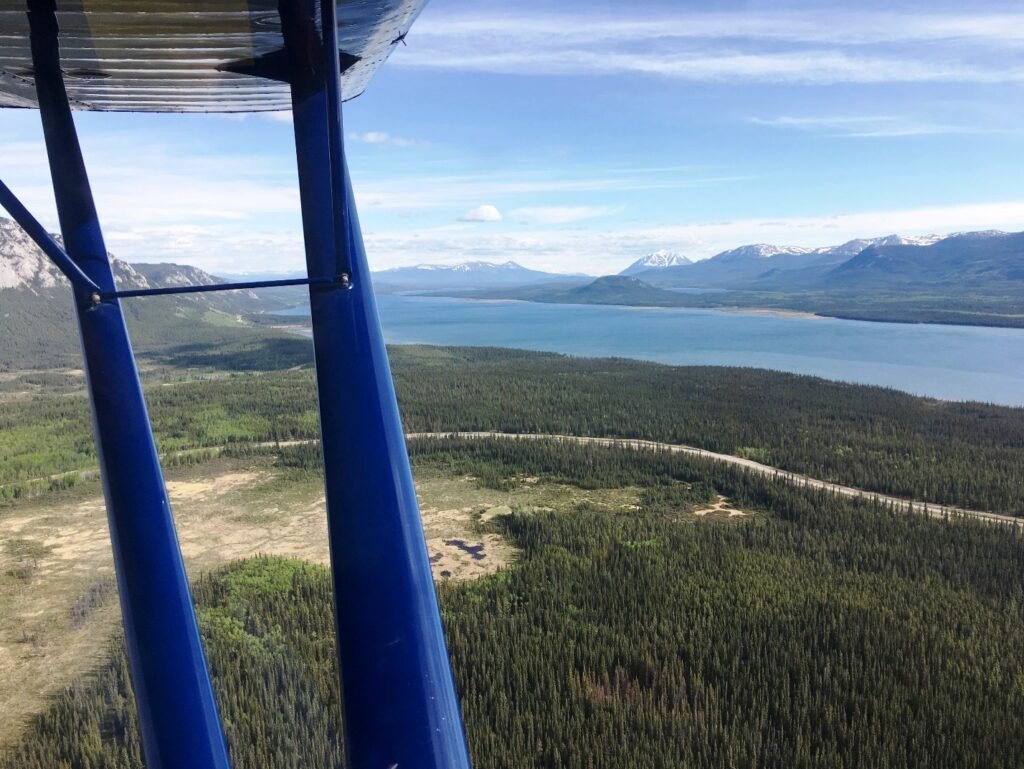
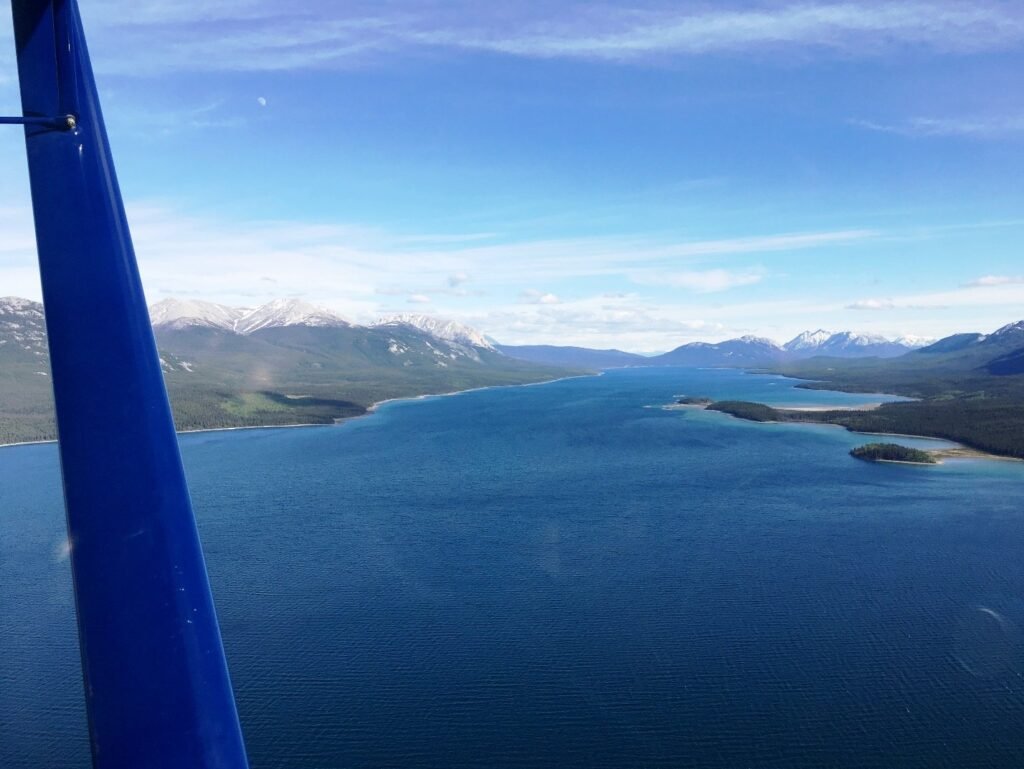
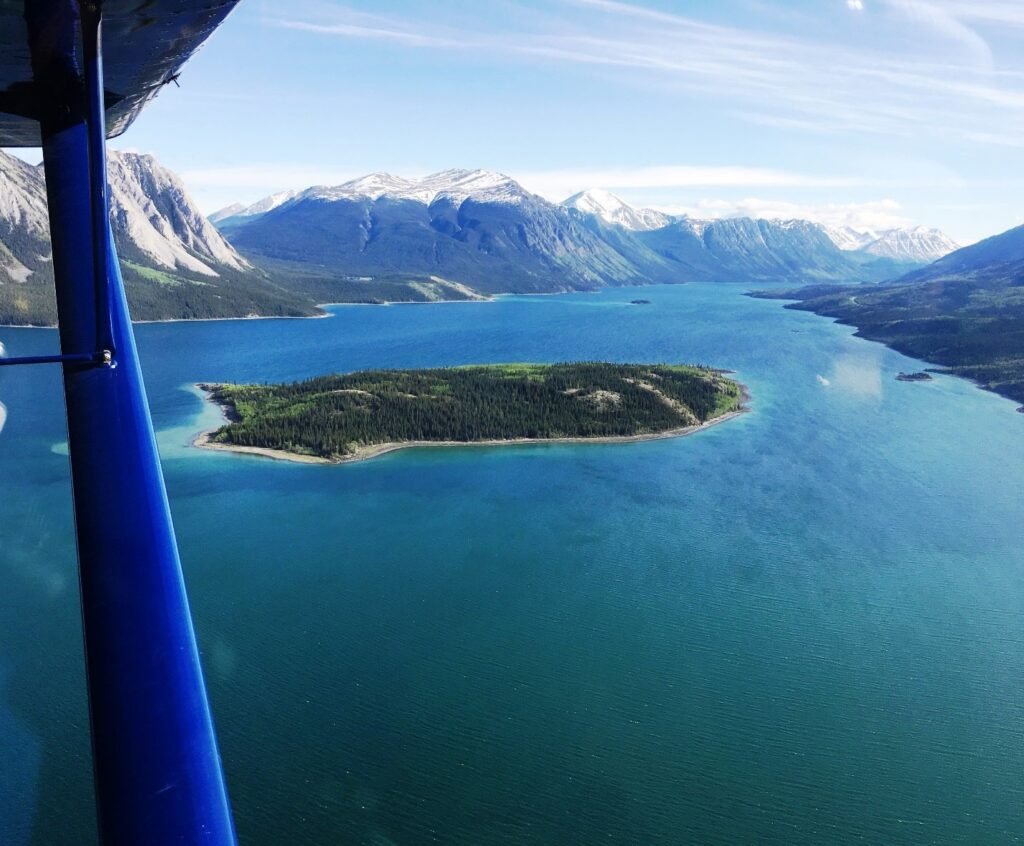
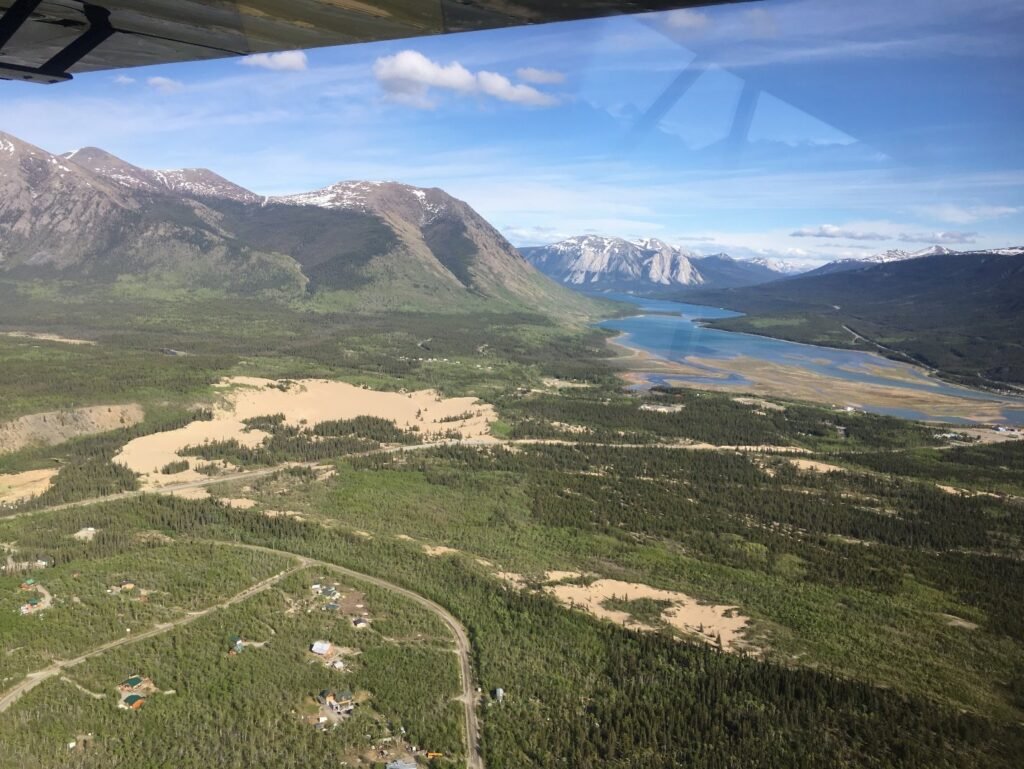
On the way to Whitehorse it was fun to do several wheels up shows – Teslin, Tagish, Marsh Lake, Carcross. The team spotted some bears and buzzed buffalos on the way. The real treat was to have the F-18 joining us on this VFR mountain flight through the valleys. The F-18 demo pilot, “Glib”, is actually from Whitehorse, and it was very personal and emotional for him to return today into his home town, having realized his childhood dream. Yukon scenery today was absolutely breathtaking! I had hard times flying formation and taking pictures. But I could not help it.
When we arrived to the hotel, I never thought I would be so excited about internet that uploads more than three pictures per half hour! The evening ended with a welcome reception in the local historic museum, incl. a buffalo dinner. We learned from the payor that you can take a cup, and drink the water straight from the Yukon river right here in Whitehorse. But it came with a warning: if you do, you will never leave – because you will fall in love and stay in Yukon.
Eventually, we somewhat combined the breakfast with informal pilot briefing. In a nutshell, it was “Well, the aerobatic box is about here more or less. Have fun and don’t hit anything. Who wants to go have fun first?”
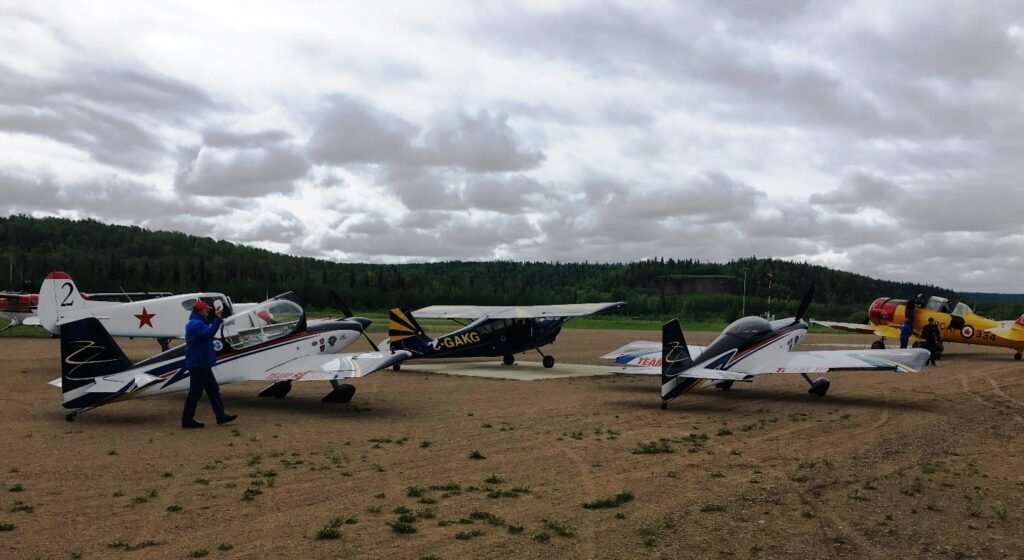
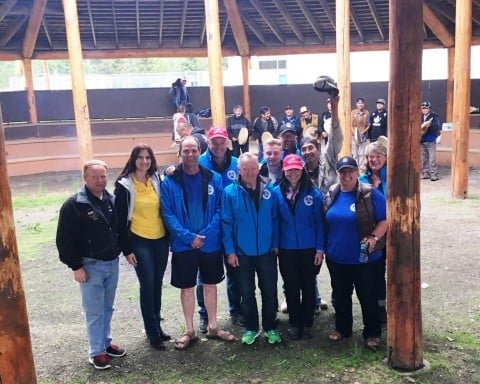
Once the last performer arrived on site, our team was complete and ready to perform!
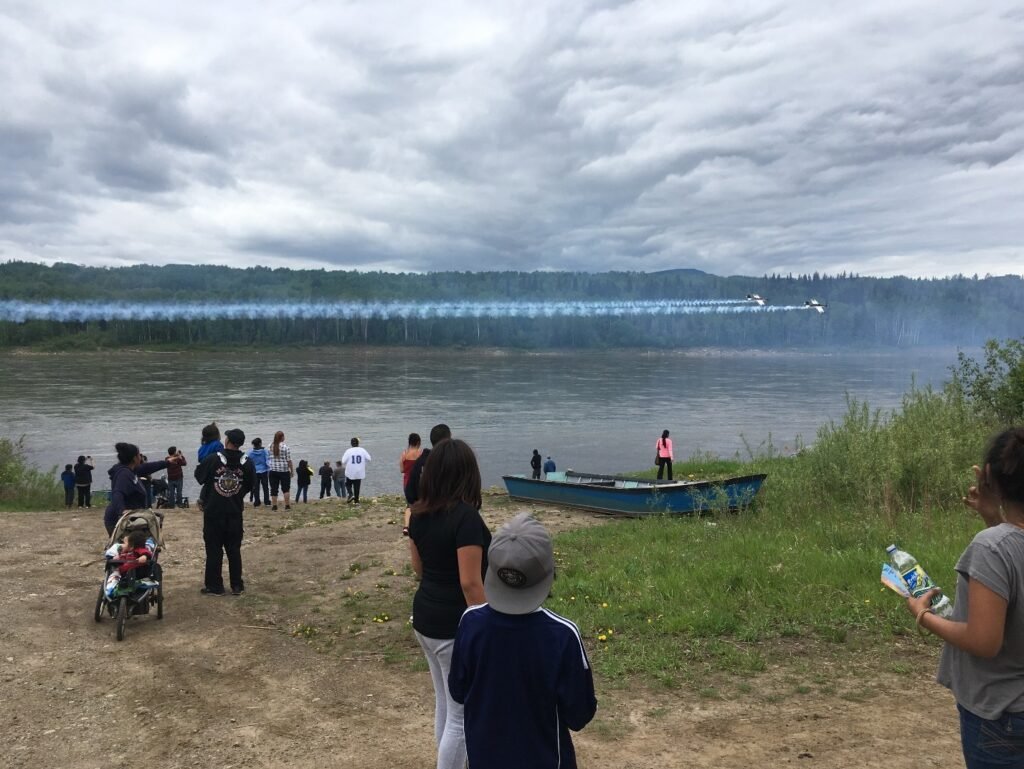
For many of us, this was the first show of the season, and we were grateful for good ceilings and calm winds. The scenery was spectacular, and having the show box in the river valley made it even more special.
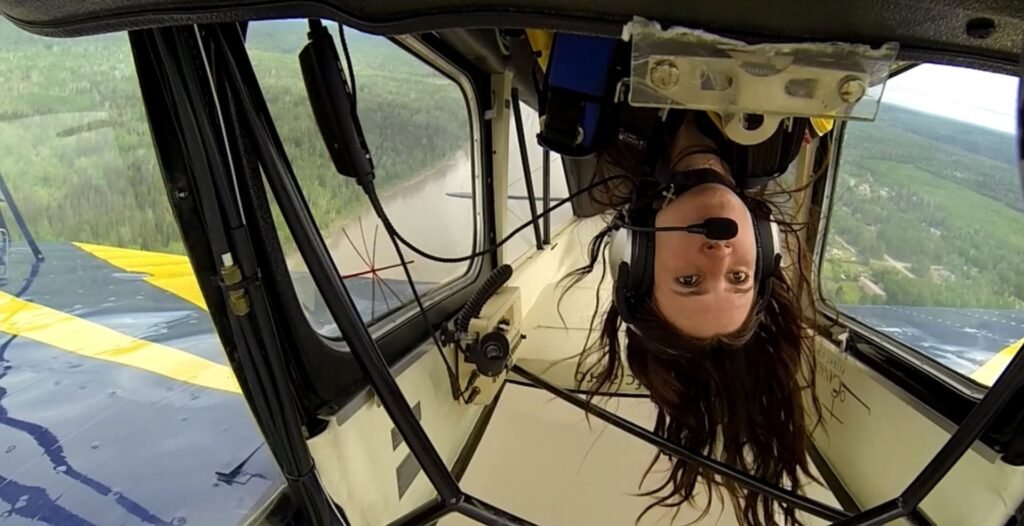
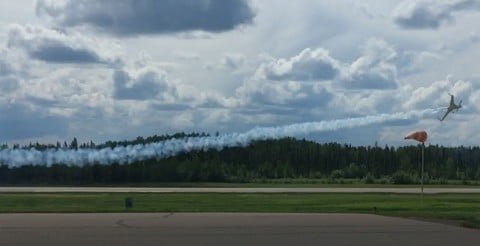
That’s me, just hanging in there:
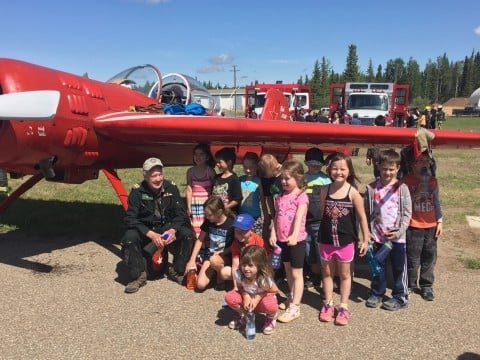
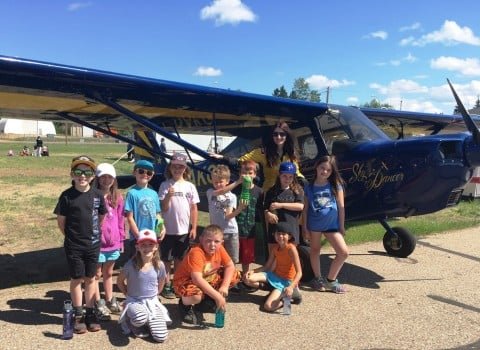
The crowd was very appreciative of the airshow. For almost all of them, it was the first airshow in their lives. Even when two planes would pass in a straight formation, it was already a wow. Many kids – and adults – came to meet us after. Several told us after the show that they wanted to become pilots. Several people from the village were praying for our safety on the trip. It was genuine, kind, excited, caring.
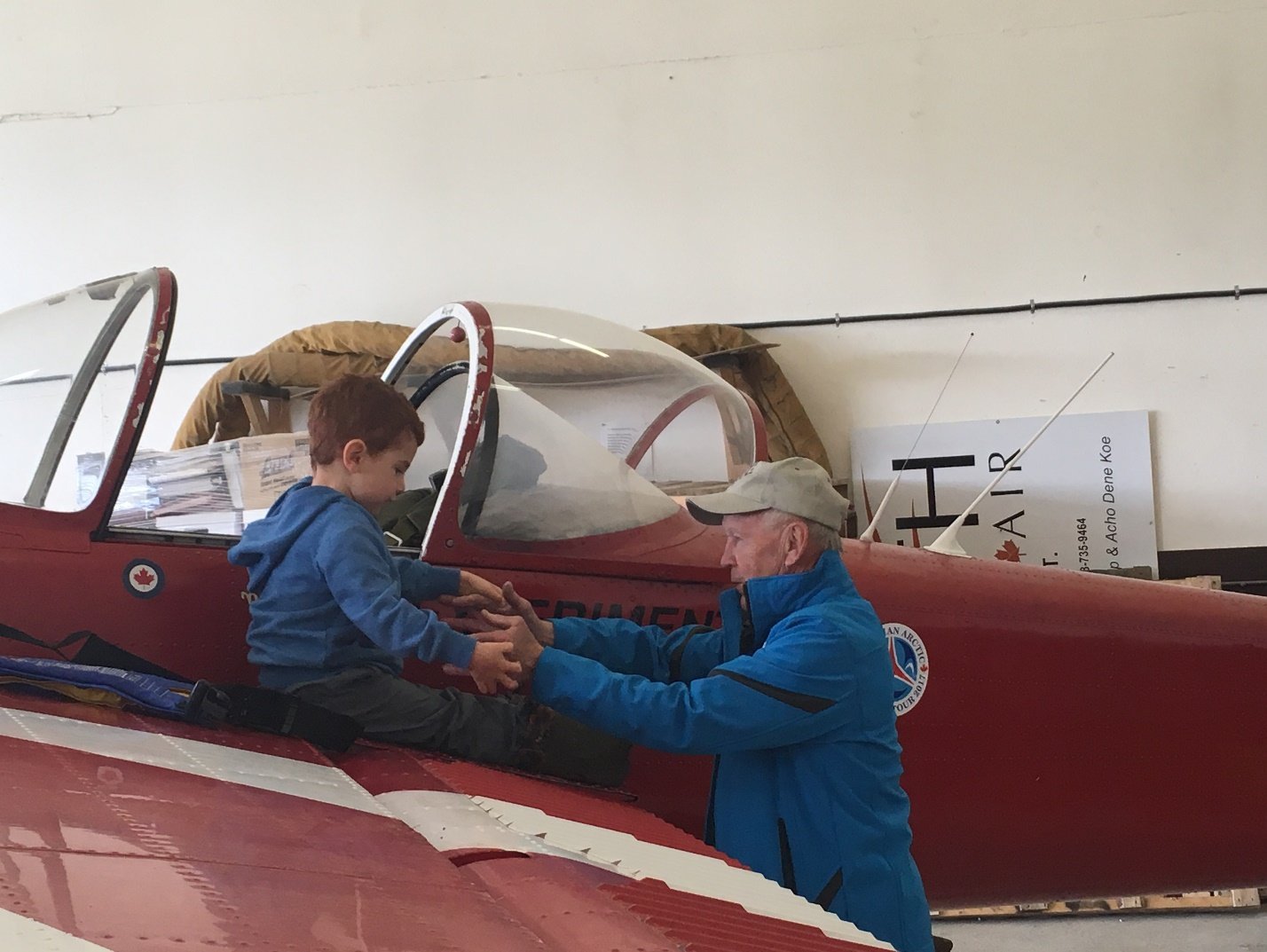
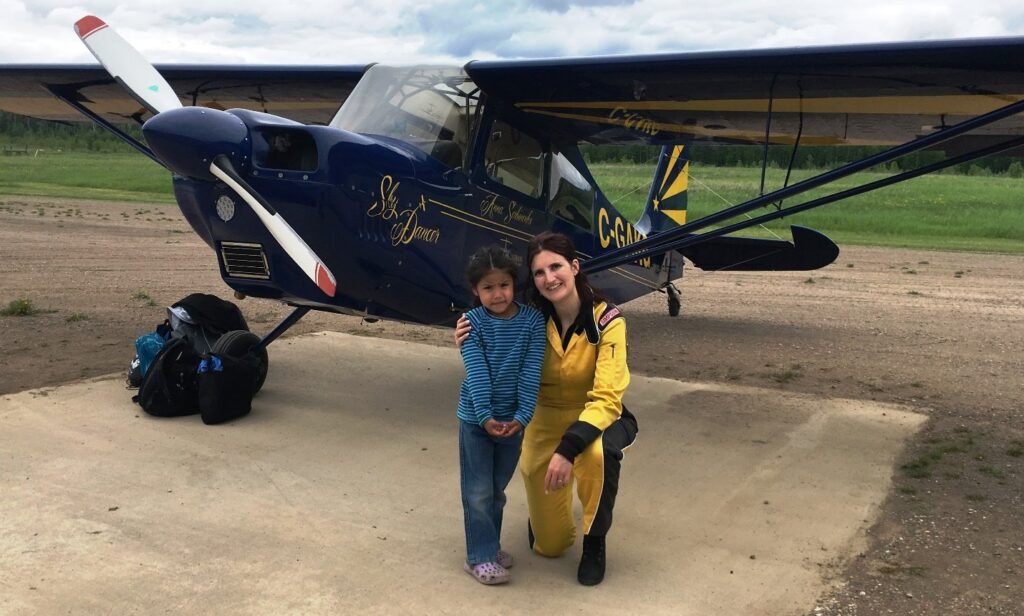
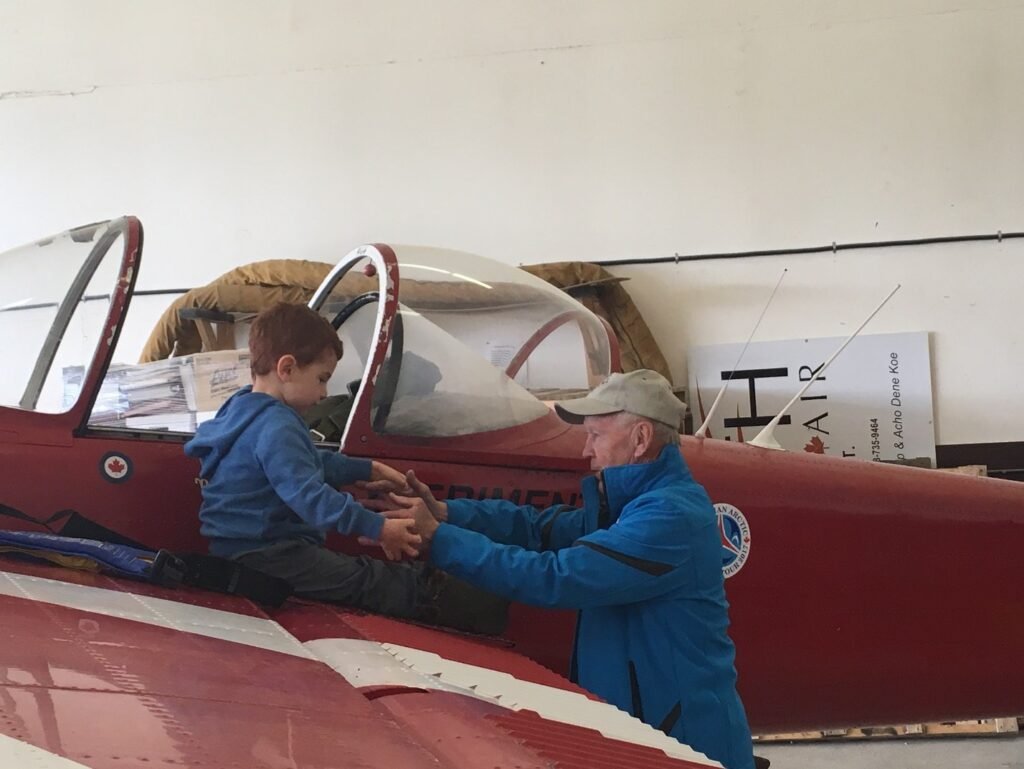
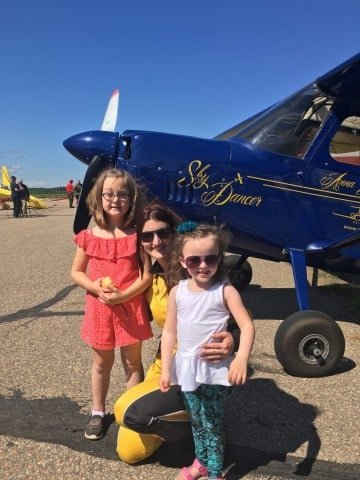
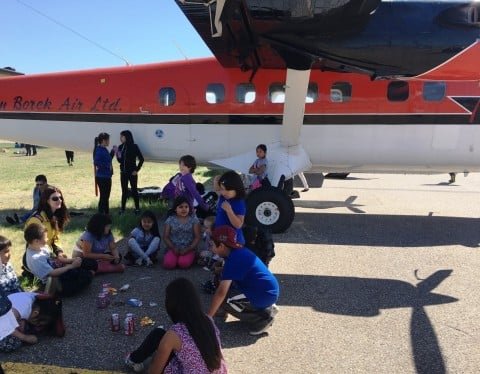
Several future aviators followed us back the airport, and had a closer look at the planes.
A local artist made a beautiful hair clip for me.
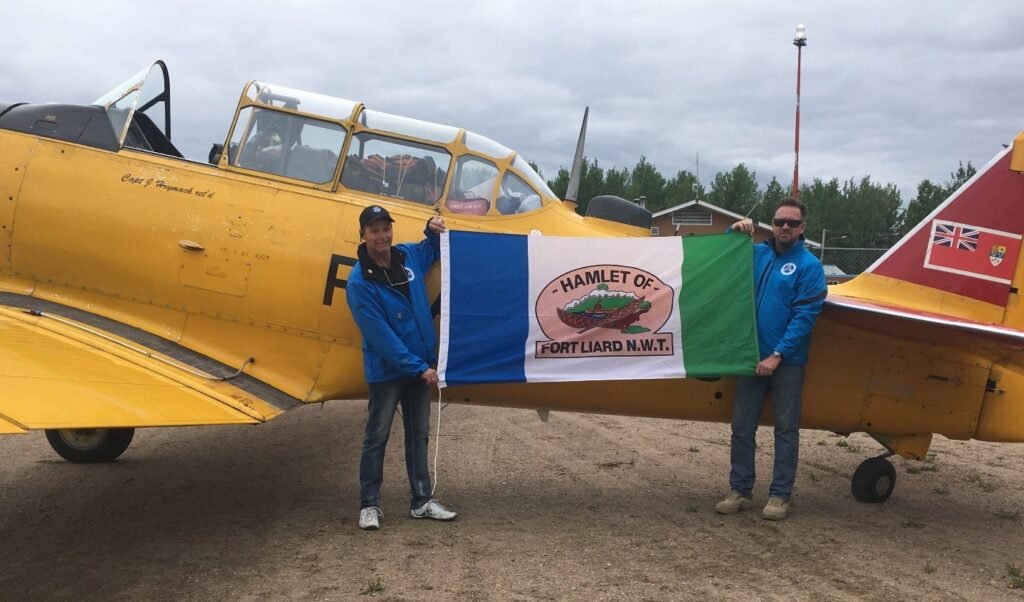
And the mayor presented us with their flag
We departed late afternoon, and there was probably not a person on our team who was not sad to leave.
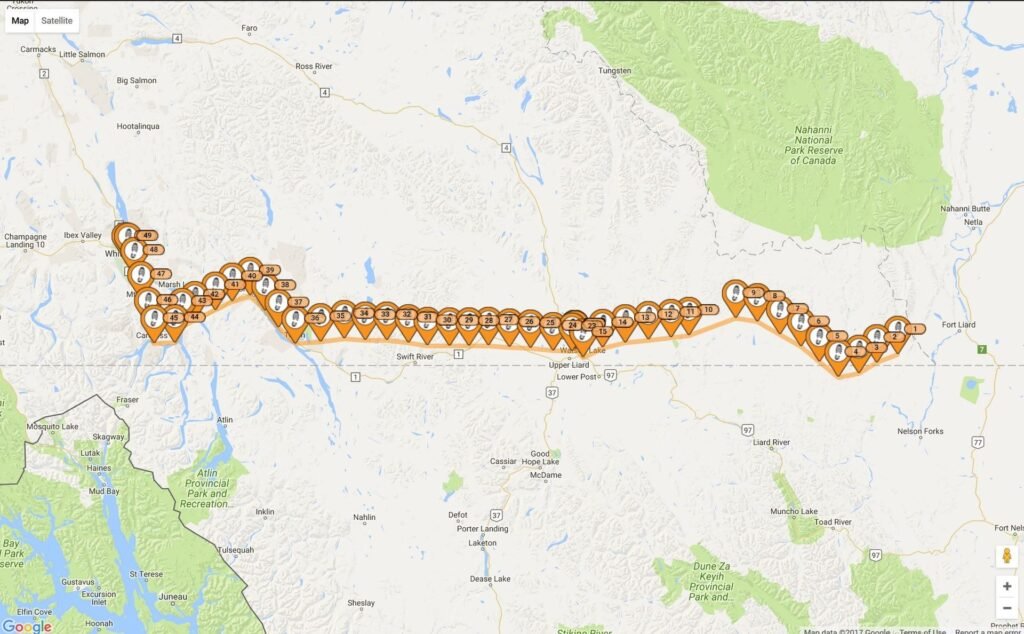
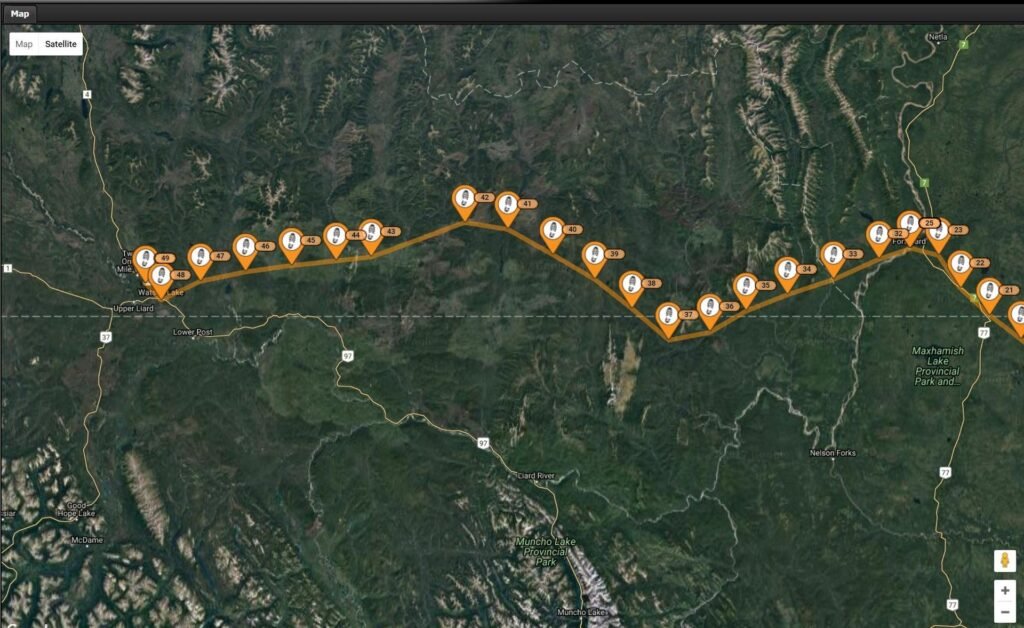
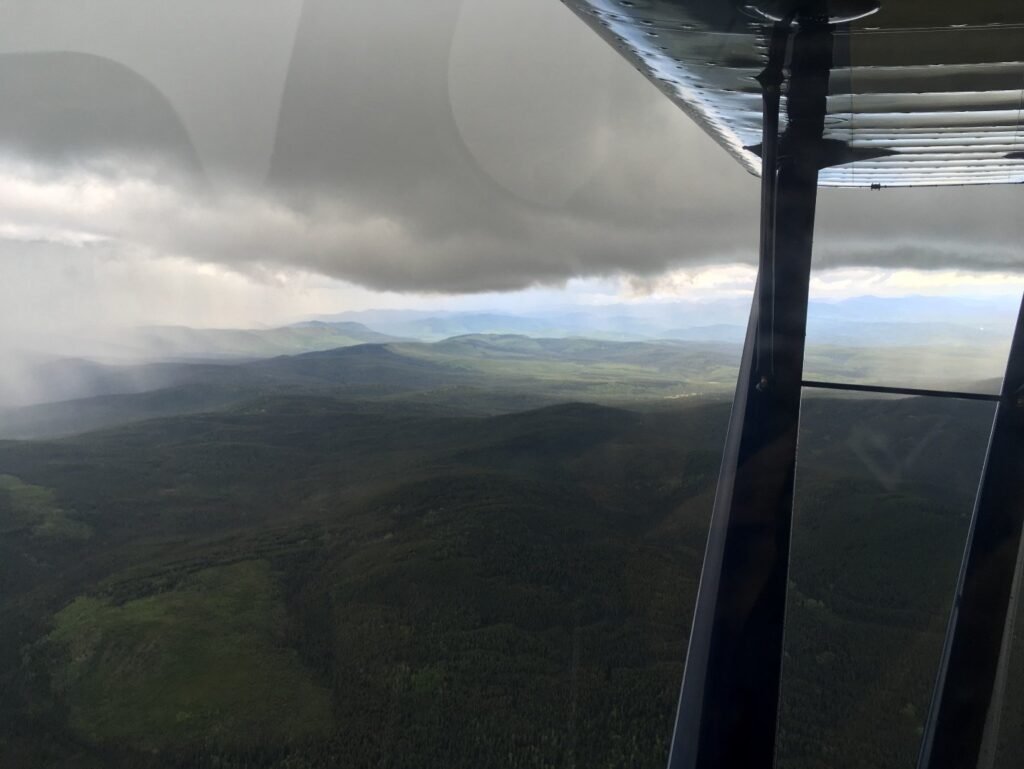
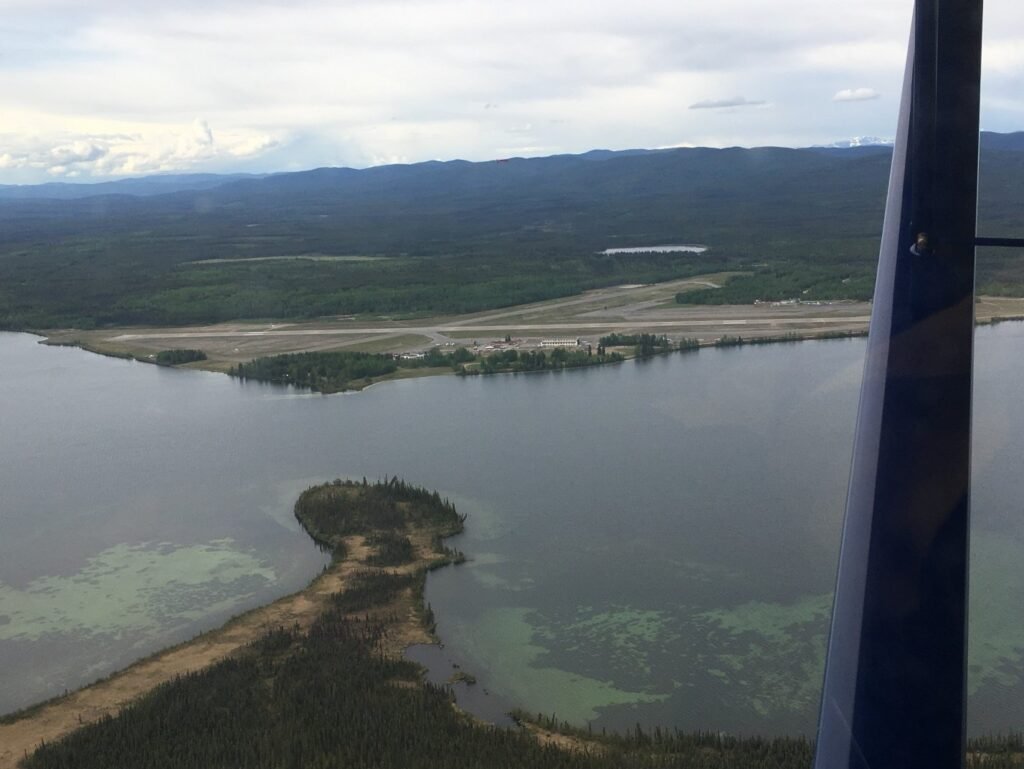
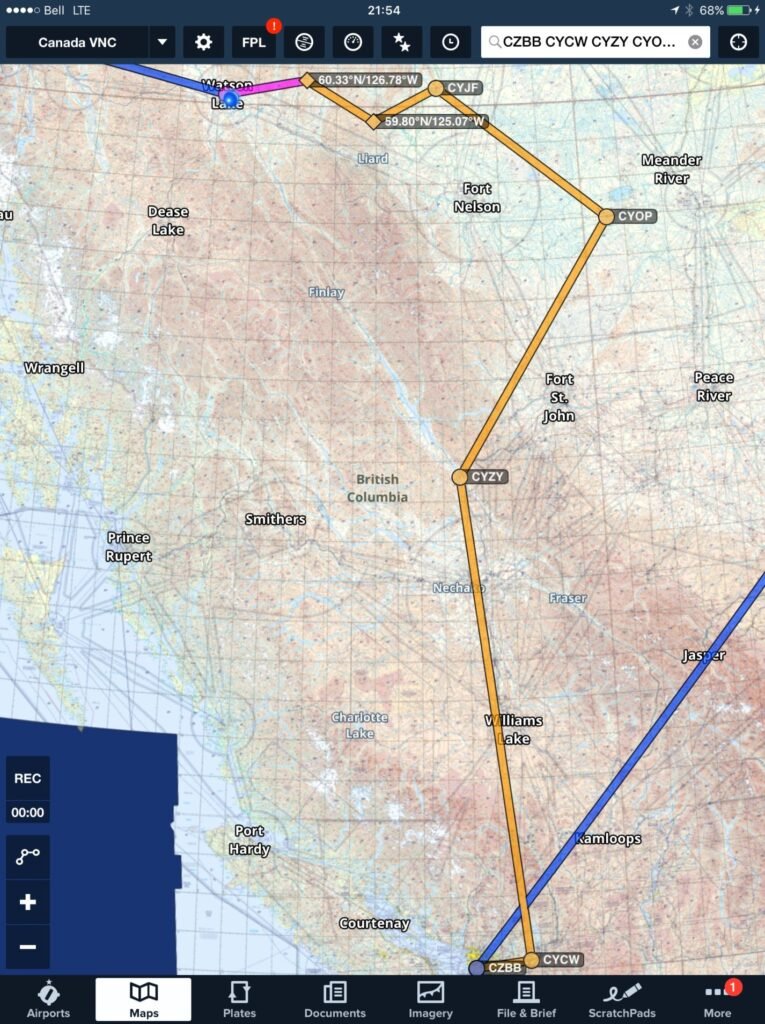
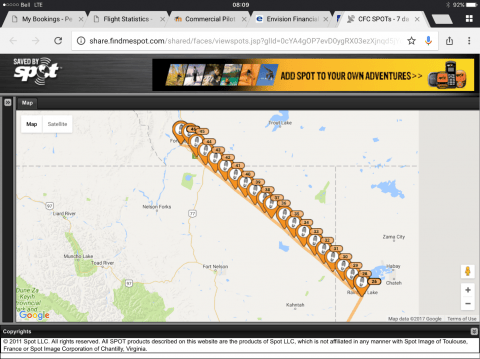
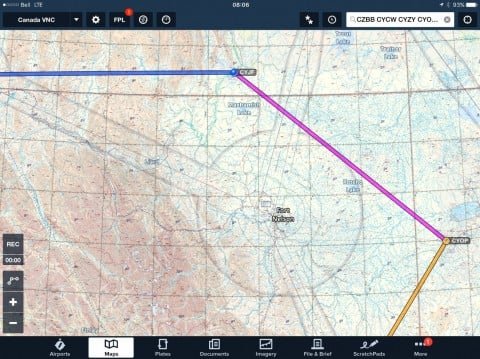
The trip to Watson Lake not as much on the straight line as we had previous legs. Navigating between thunderstorms with lightning and cumulus granitus made our lead’s job (Ross Granley) challenging. But the weather in Watson Lake was still sunny, and the countryside is spectacular.
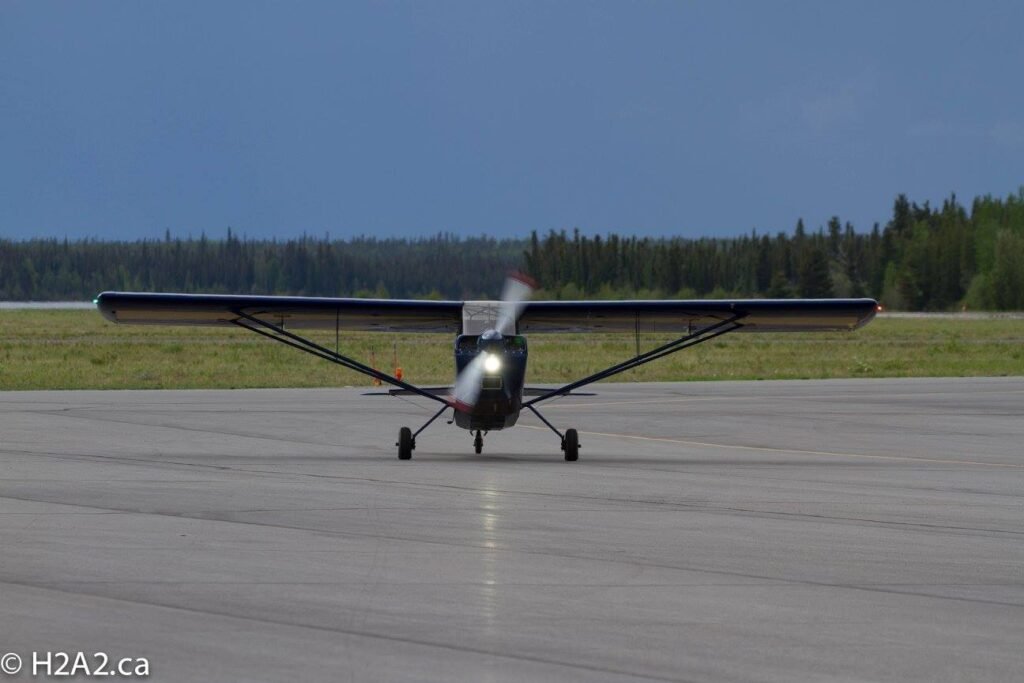
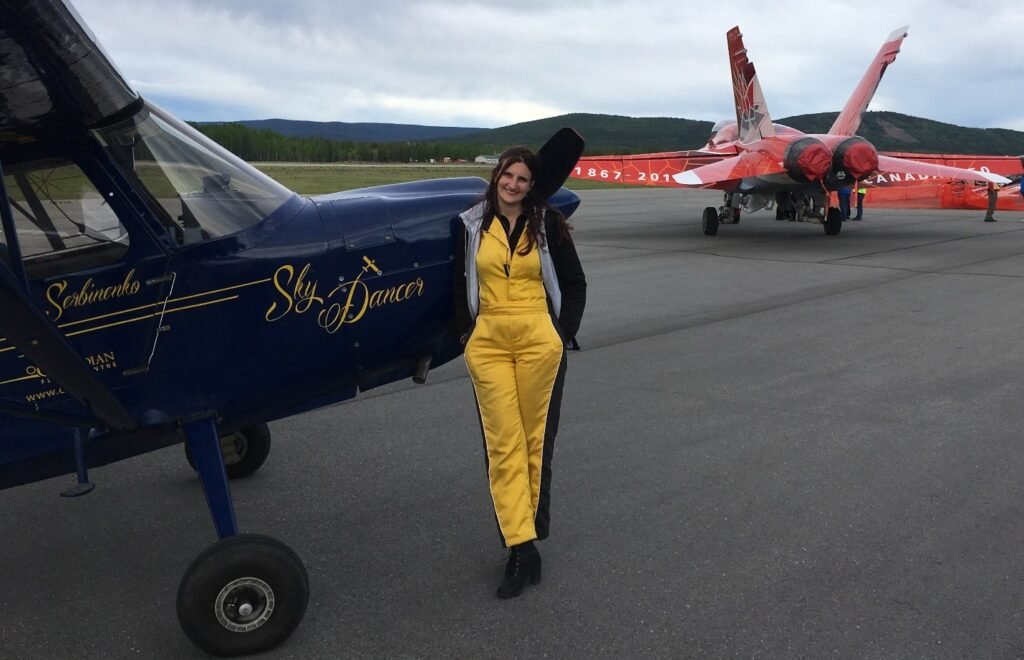
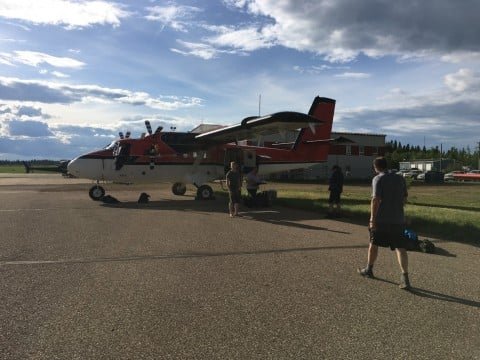
We met the rest of the team, some of whom were joining us only now, because not all planes are gravel strip capable. The highlight was the sharp looking new Canada 150 paintjob of the F-18 demo. I’m looking forward to seeing them fly tomorrow!
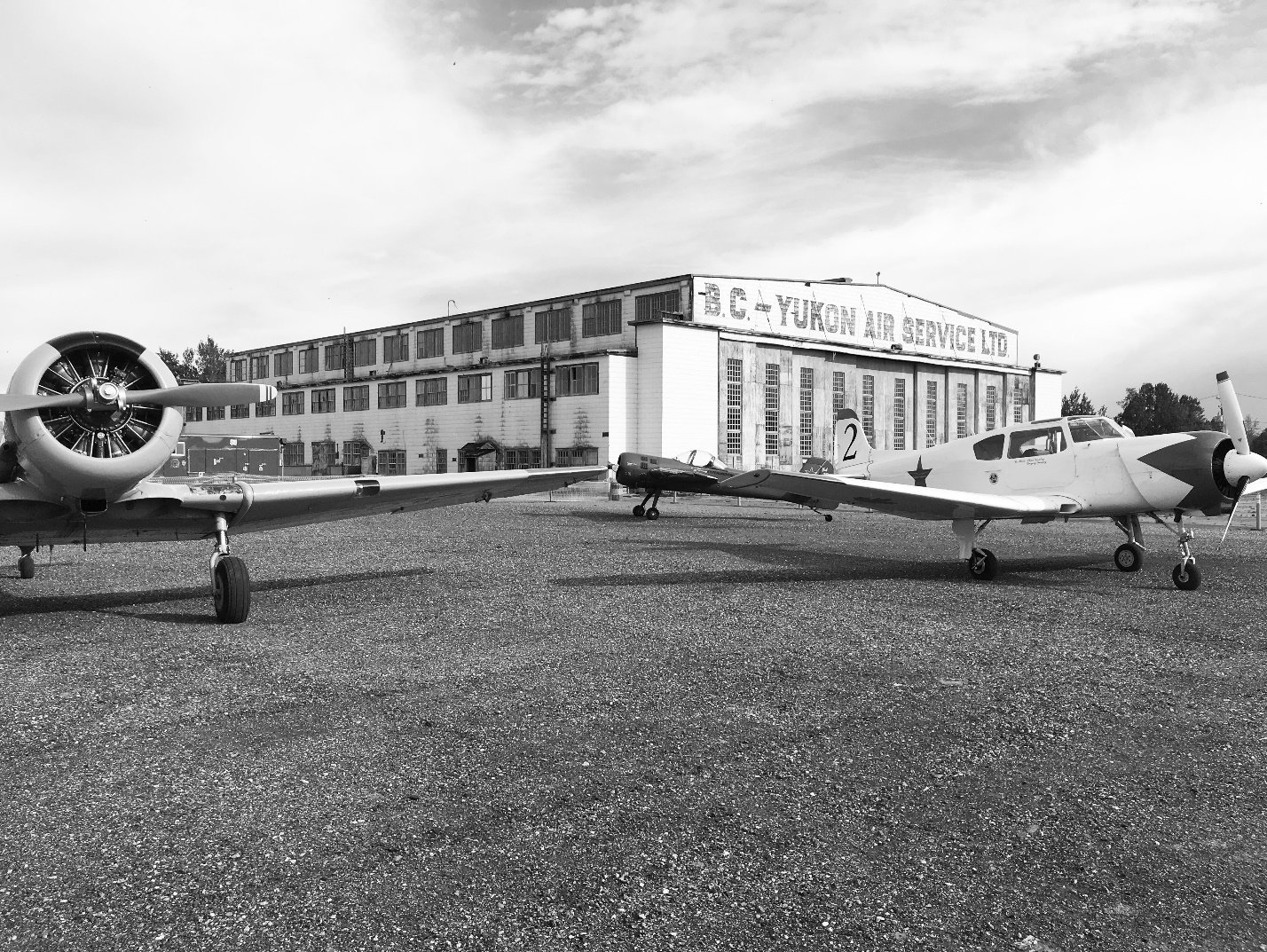
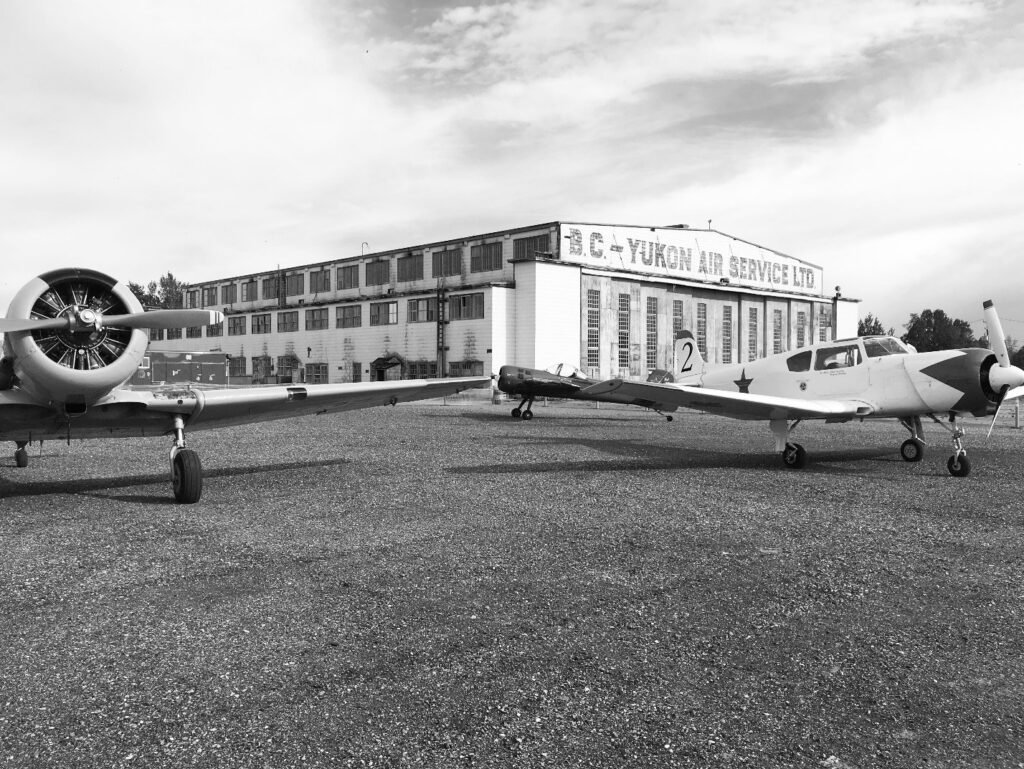
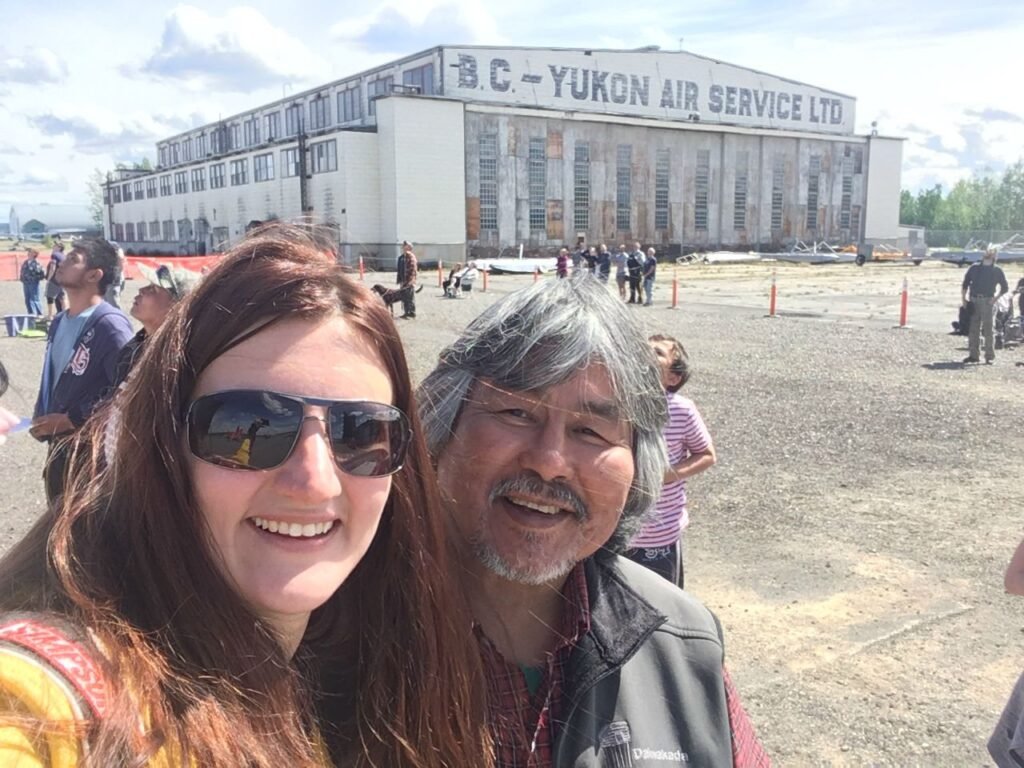
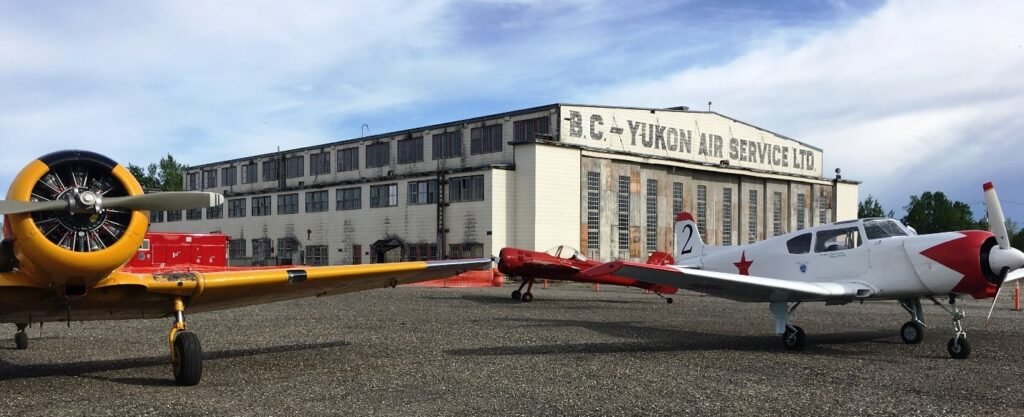
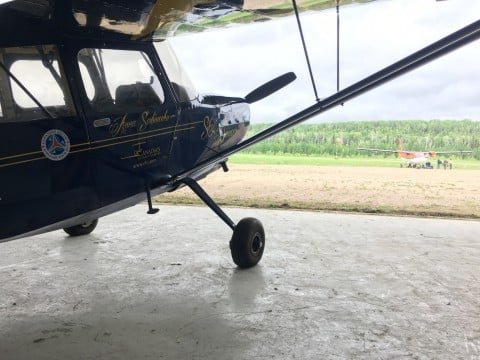
Watson Lake has a lot of history. Before the Americans officially joined the World War II, they supported their allies a lot with equipment. Lots of it went through Watson Lake on the way to Alaska. This old looking hangar is preserved in the original version since those times. With two Russian Yaks and a Harvard from the same era, it took you back in time.
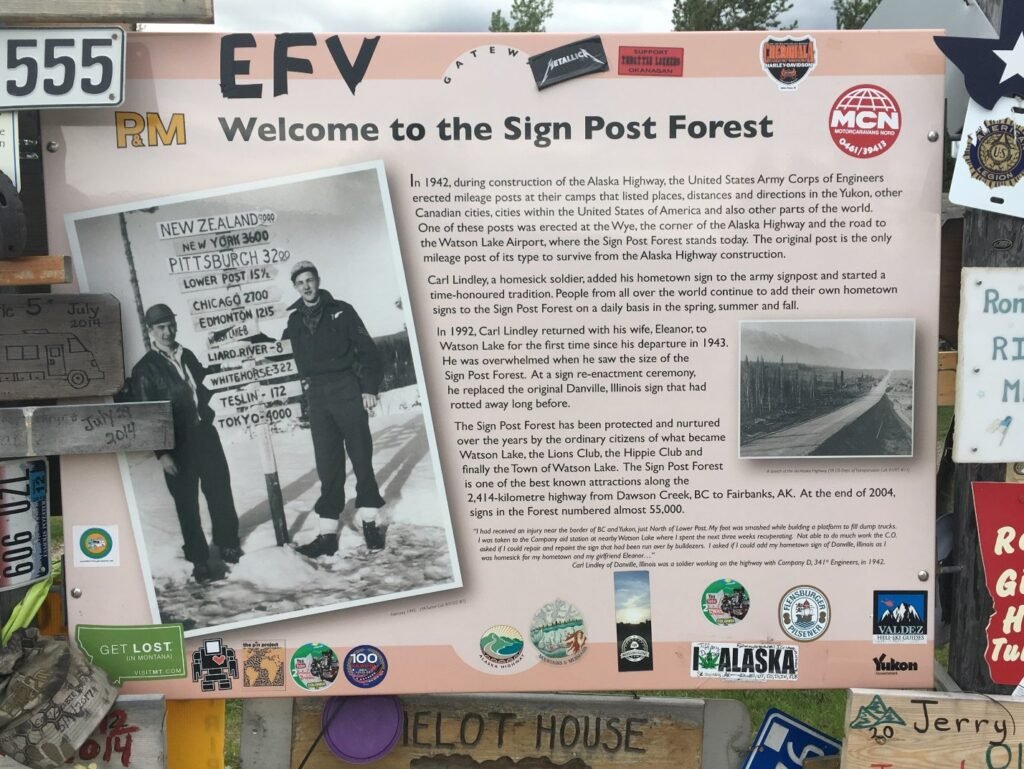
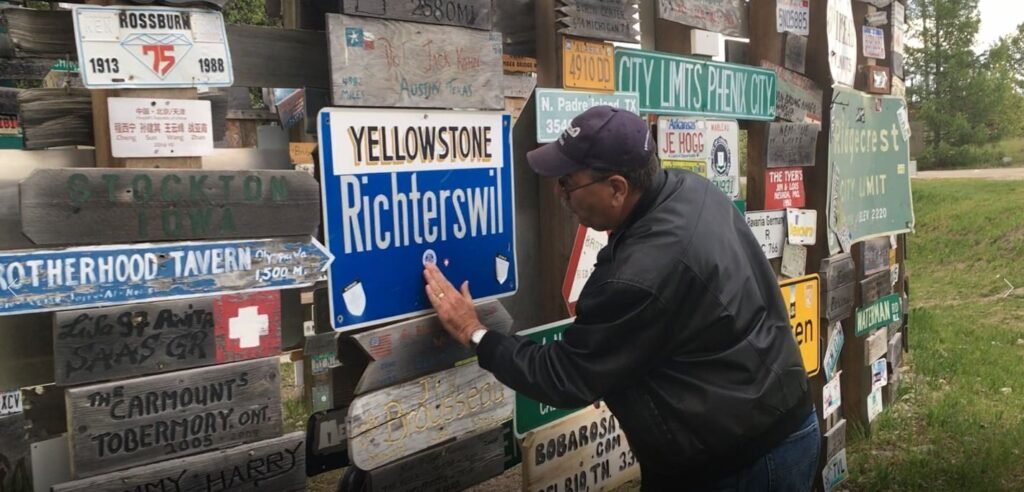
After a welcome barbecue at the airport, we headed to the hotel. Our announcer here Roy Hafeli, showed us the Sign Post Forest. Amazing thing accumulated since 1940’s when the Alaska highway was built through here – 75 years ago. Home sick soldiers would bring a sign from their home town. Dater it developed into a touristic attraction. And of course we did not miss leaving a memory of the Arctic Aviation Tour here.
Quiet evening in the storm was spent in a nice motel called “A Nice Motel”, and now we are ready to fly over Watson Lake skies!
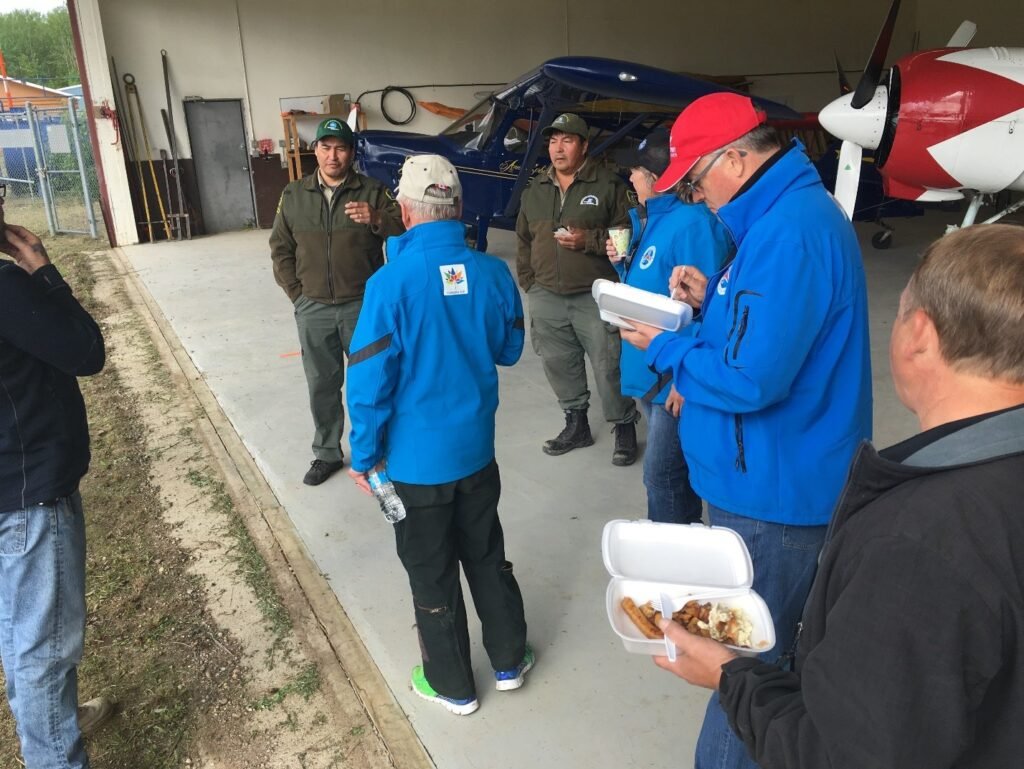
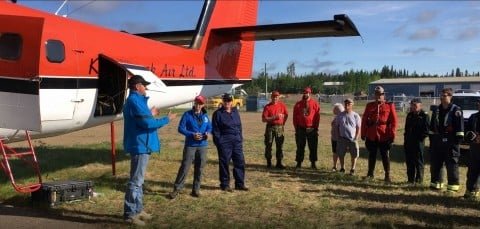
While waiting for the school kids to arrive, we chatted with the local rangers. I learned that Canada border four countries, and other than he obvious States and Greenland, Russia is not even part of it. We are actually fighting over Hans Island with Denmark. The war goes like this. An expedition from Denmark comes to the island, takes down Canadian flag, put theirs and leaves a bottle of their schnapps. Sometime after, Canadians will show up, take down the flag of Denmark, put ours up, and leave a bottle of whiskey. This is how mature countries fight! By the way, what’s the fourth country?
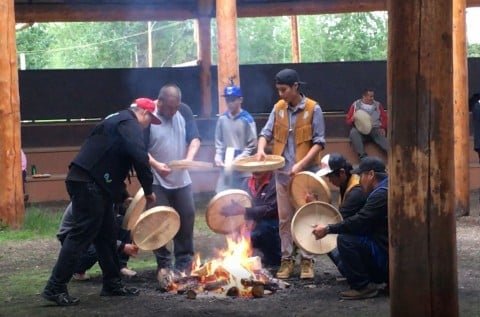
Kids came from the local (Rainbow Lake) school and the school from the natives reservation. Spending time with them was a true treat. We were playing duck/goose with the kids. And at the end they treated us to a drum dance.
Departing Rainbow Lake we barely escaped the thunderstorm with lightning coming over from the South. After (quoting Bud Granley) a “regular buzz job”…
we were on our Northeastbound way for Fort Liard.
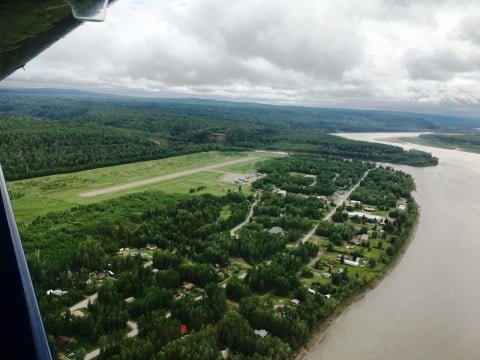
In a loose formation with Granleys and getting PIREPs from the Rocket ahead, the trip was uneventful. Landing on the gravel strip was easy this time – it’s one of the nicest gravel strips on our journey. Gravel here is small and smooth. The plane stops much faster, and we hardly needed a third of the runway to come to a complete stop. Prior to landing, I was in my mind going through the gravel operations techniques: low power only, always keep moving forward, no sharp turns and definitely no static runups.
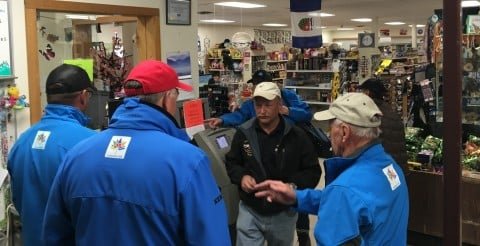
The Decathlon is now secured for the night. Two trucks took us to the “downtown” half kilometer away, to the combination of the general store and motel.
The Decathlon is now secured for the night. Two trucks took us to the “downtown” half kilometer away, to the combination of the general store and motel.
At the motel check in, they reminded us that the community is on a full water delivery, so saving they would appreciate us keeping the showering short.
After a quick check in, we were invited to the village dinner at the community centre. This was the parking lot:
They started cooking this dinner since yesterday, and it was absolutely amazing! Moose as a main course, with a large selection of salads, sides and deserts. There’s a set sequence in which people comes to pick up their food – elders first, then the chief of the band, then everyone else mostly by age.
By the way, it’s a complete dry community, but it does not mean people are not having fun! A good dinner was followed by a good dance. The drum band was tuning their drums in the preparation. Some of them are made of moose hive, some – almost transparent ones – of cariboo.
They opened with a prayer with drums, then the dance. The dance involved the entire village. From the youngest kids to out hosts’ 92 year old wife – everyone was dancing. And of course the Canadian Arctic Tour team was not left aside!
BTW: if you are sitting around the circle, watch if you are wearing a hat. If you don’t, it means you want to dance, and someone will usually invite you soon.
We left still in daylight, which is very deceiving here. But many of us still needed some work done. The only available WiFi connection was in the village library. For those who know what I’m taking about (Russian speaking population 30 years+): “Бабуля, не подскажите, как пройти в библиотеку?” (at 11pm).
The same Wednesday morning, woken up by the excitement (and the worry about the weather briefing) rather than the alarm, I was soon on my way to the airport.
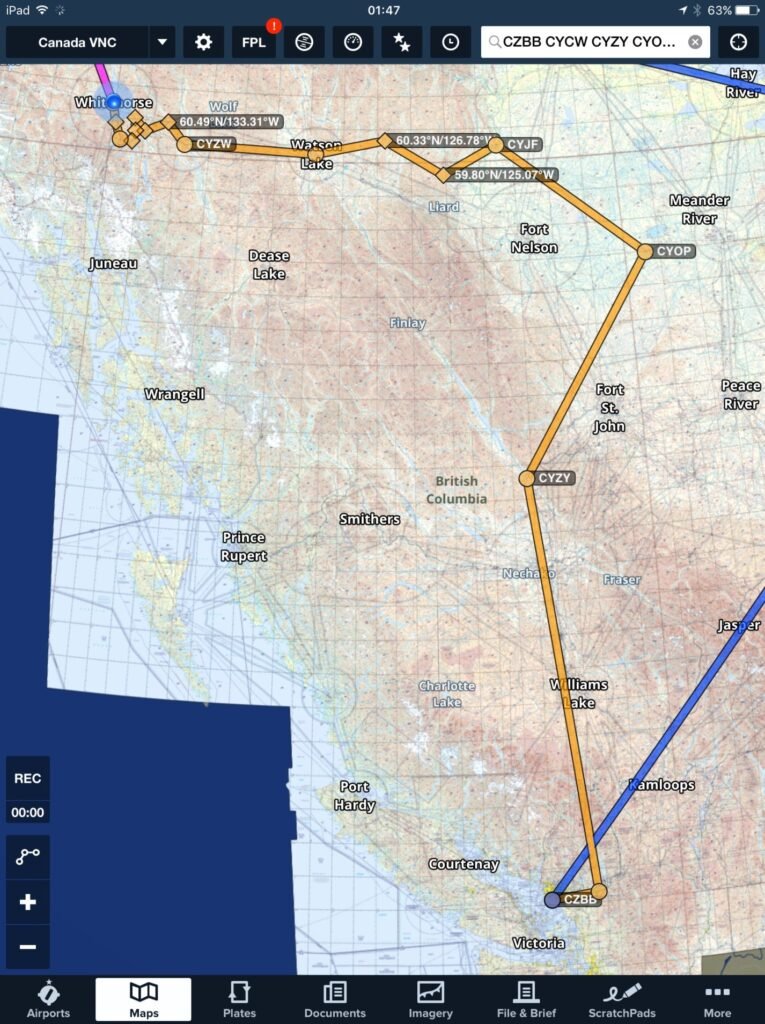
Flight services’ briefing was in a nutshell “Mam, you would need to either drive or take a commercial flight today”. As if either was an option! After a couple of weeks of severe clear weather, we were paying a rainy price for it right now. If I could get out of the Vancouver Lower Mainland, the rest was easy. Weather cameras showed some blue holes in the clouds in Hope area, so I decided to give it a shot.
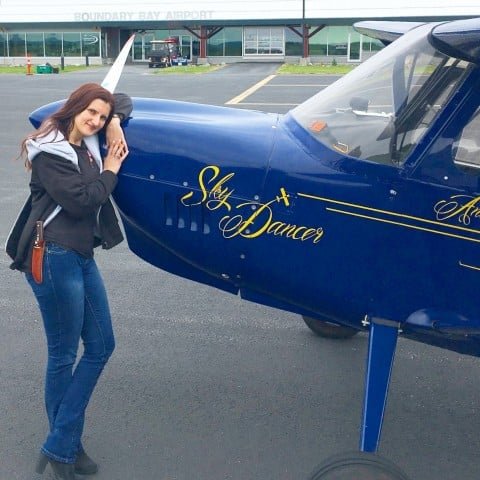
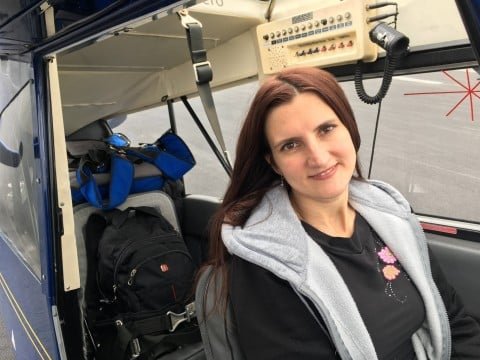
Departure was a mix of excitement and worry.
Taking off from Boundary Bay and making it at 1000’ eastbound, then going on top of the first layer – all started not bad. But the camera lied and approaching Hope, there was not a chance to go on top of the second layer of clouds. In fact, the two layers started closing in on me. And with mountains ahead was just not a desirable combination. I went back and landed in Chilliwack airport. Well, 40 miles progress is better than nothing, right?
Shortly after I saw a familiar plane land. Ross Granley, another performer in the Arctic Tour and a friend, just arrived with his Yak! Although the reason for his landing was more of mechanical nature, which always sucks on the road.
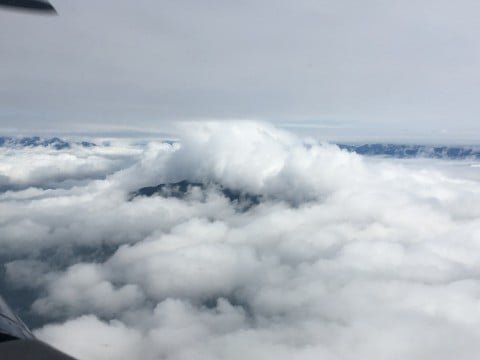
Eventually patience paid off! A real blue hole in the sky developed, and I did not delay the take off. By 5000’ I was well on top of all cloud layers and headed Northbound.
Beauty truly starts at home!
By Lillouet area, clouds became well scattered. Some isolated thunderstorms in Prince George area were easy to fly around. And thanks to extra 5 gallons of fuel I added in Chilliwack, I was able to make it to MacKenzie non-stop. This is one of my favorite fuel stops! Not only the fuel here is almost 50 cents per liter cheaper than in Prince George, but the friendliest FBO manager ever Vicky would offer you an ice cream!
Quick refuel, and I was on my last leg to Rainbow Lake. For a moment I hesitated – with all the weather delays it was already approaching 5pm, which is 6pm Alberta time. And I was departing for another 2.5h leg into the mountains. It would not combine well with the night time. Checked Foreflight, and it told me the next sunset 2250. I totally forgot how far North I was and how little night time is here. Soon there will be none at all!
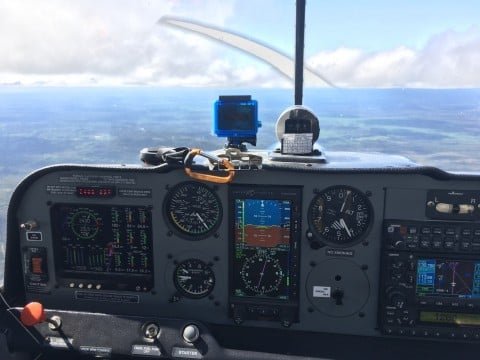
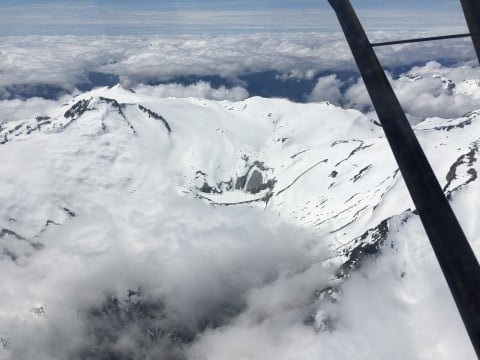
Crossing over the Rockies was beautiful.
And I was happy to rejoin our team upon arrival to Rainbow Lake.
Evening was short after a long day. Warning signs are to be taken seriously.
Are you a frequent flyer who struggles to maintain a workout routine while on the go? It’s easy to let your fitness goals slip when your schedule is packed with meetings, flights, and sightseeing. But with a little planning and creativity, you can stay active and healthy, no matter where your travels take you.
Setting Realistic Fitness Goals
The first step to staying fit while traveling is to set realistic fitness goals. Don’t overwhelm yourself with lofty targets. Start small and gradually increase the intensity and duration of your workouts.
Crafting a Flexible Workout Plan
Be flexible and adapt your workout plan to your travel schedule. Consider scheduling workouts during downtime, such as between flights or after meetings. Even short bursts of exercise can make a big difference.
Finding Creative Ways to Exercise
No gym? No problem! Explore alternative options for exercise, such as:
Hotel fitness centers: Many hotels offer basic gym equipment, swimming pools, or even jogging paths.
Outdoor workouts: Take advantage of local parks and trails for walking, running, or hiking.
Bodyweight exercises: You can do a variety of effective workouts using your own body weight.
Group fitness classes: Look for local gyms or fitness studios that offer group classes.
Maintaining Motivation and Consistency
Staying motivated and consistent can be challenging while traveling. Here are some tips to help you stay on track:
Pack workout essentials: Keep a small workout bag with essentials like resistance bands, a yoga mat, or running shoes.
Find a workout buddy: Having a workout partner can help you stay motivated and accountable.
Reward yourself: Treat yourself to something special after achieving your fitness goals.
Incorporating Healthy Eating Habits
Healthy eating is just as important as exercise. Here are some tips for staying healthy while traveling:
Pack healthy snacks: Bring along nutritious snacks like nuts, fruits, or vegetables.
Choose healthy meal options: Look for restaurants that offer healthy options, such as salads, grilled chicken, or fish.
Stay hydrated: Drink plenty of water throughout the day.
By following these tips, you can stay fit and healthy while traveling. Remember, even small amounts of exercise can make a big difference. So don’t let your busy travel schedule prevent you from prioritizing your health and well-being.
In today’s fast-paced world, staying active and healthy is more important than ever. For frequent flyers, maintaining a fitness routine can be challenging. However, with the advent of fitness trackers, it’s now easier than ever to track your progress and stay motivated, even while on the road.
Smartphones: The Simple Solution
While smartphones may not offer the same level of detail as dedicated fitness trackers, they can be a great starting point for tracking your daily activity. Most modern smartphones come equipped with basic features such as step counting, calorie estimation, and GPS tracking.
Smartwatches: A Versatile Option
Smartwatches offer a more comprehensive range of features, including heart rate monitoring, sleep tracking, and even contactless payments. They’re perfect for those who want a device that combines fitness tracking with everyday convenience.
Dedicated Fitness Trackers: For the Data-Driven Aviator
If you’re a serious athlete or simply want to dive deep into your fitness data, a dedicated fitness tracker might be the right choice for you. Garmin watches excel at tracking distance-based activities like running and cycling, while Fitbits offer a wider range of sports modes.
A New Frontier: Oura Ring
For a truly discreet and stylish fitness tracker, consider the Oura Ring. This wearable device tracks your heart rate, body temperature, and sleep quality, providing valuable insights into your overall well-being.
Choosing the Right Tracker
The best fitness tracker for you depends on your individual needs and preferences. Consider factors such as:
Features: Do you need heart rate monitoring, sleep tracking, or GPS?
Battery life: How often do you need to charge your device?
Comfort: Ensure the tracker is comfortable to wear on a daily basis.
Price: Set a budget for your fitness tracker.
Fitness trackers can be a valuable tool for staying active and healthy while traveling. Whether you’re a casual exerciser or a dedicated athlete, there’s a tracker out there to suit your needs. So why not give one a try and see how it can help you reach your fitness goals?
It’s summertime, and the heat is on! Staying hydrated is crucial to maintain optimal health and performance. In this episode of Healthy Aviation, we’ll explore the importance of hydration, tips for tracking your water intake, and the benefits of electrolyte drinks.
The Importance of Hydration
Dehydration can have serious consequences, ranging from headaches and fatigue to more severe issues. The average person needs 2-3 liters of water per day, but this can vary based on factors like activity level, size, and weather conditions.
Tracking Your Water Intake
One of the biggest challenges is ensuring you’re drinking enough water. Here are a few tips:
Carry a water bottle: This is a simple yet effective way to stay hydrated throughout the day.
Set reminders: Use your phone or watch to remind yourself to drink water regularly.
Track your intake: Consider using a water tracking app or a simple journal.
The Benefits of Electrolyte Drinks
While water is essential, electrolyte drinks can be beneficial, especially during hot weather or intense physical activity. Electrolytes help regulate fluid balance and maintain proper muscle function.
Key Takeaways
Hydration is crucial for overall health and well-being.
Track your water intake to ensure you’re drinking enough.
Consider using electrolyte drinks to replenish essential minerals.
Enjoy the sunshine, but stay hydrated!
Want to see more tips for healthy flying habits? Want to see more tips for healthy flying habits? Visit annaskydancer.com for more aviation-related content!
Head over to the Canadian Flight Centre website (www.cfc.aero) to explore our training programs and resources. They can help you soar to new heights while staying healthy and safe!
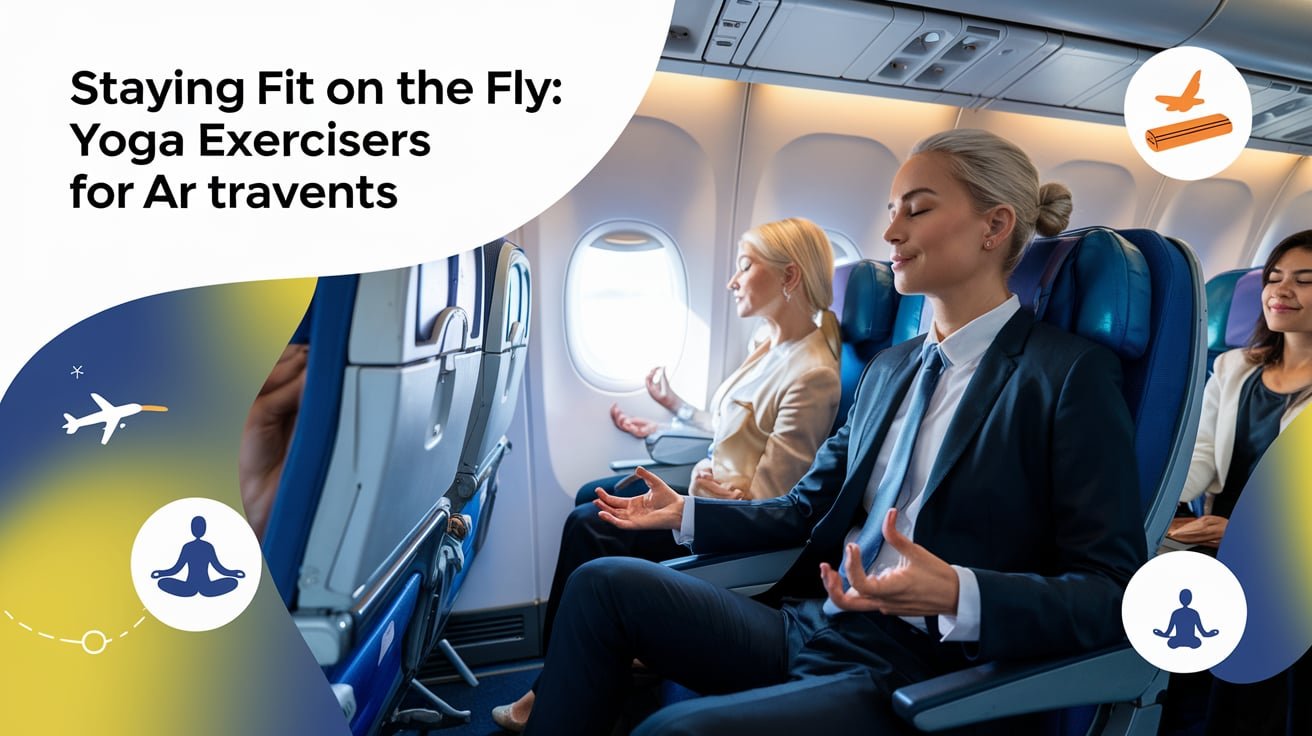
Whether you’re up in the friendly skies as a pilot or nestled in your economy seat as a passenger, maintaining a sense of flexibility and circulation during the flight can make all the difference. Here, we’ve compiled a series of simple yet effective yoga exercises you can perform in your seat. Remember, safety first—only practice these movements when it’s safe and appropriate given your flight circumstances.
Getting Started: Mind Your Space and Safety
Before you embark on these exercises, take a moment to assess your personal space and surroundings. Ensure you won’t disturb your neighbors or put yourself in an uncomfortable position. Movement is a great way to keep blood circulation flowing and ward off fatigue, helping you feel rejuvenated upon arrival.
Neck and Head Stretches
Begin with gentle neck stretches to promote relaxation: Place your right hand on top of your left ear and gently pull your head to the right. The weight of your hand should be enough, no need to force it. Switch sides with your left hand reaching over to the right ear, pulling gently.
Interlace your fingers behind your head and gently pull forward, allowing your head to fall naturally. Feel this stretch on the back of your neck and between your shoulder blades. Introduce gentle side-to-side movements if desired.
Torso and Shoulder Activation
Next, give some love to your shoulders and back: Perform a spinal twist by placing your right hand behind you and your left hand on your right knee. Sit tall and rotate your torso to the right, keeping your hips stable. Repeat on the opposite side.
Twist side-to-side by placing your left hand on the right side of your seat, raising your right hand overhead, and bending to the left to stretch your right side. Repeat with your opposite arm.
Core and Leg Engagement
Now, activate your core and legs with these simple techniques: Seated cat-cow: Gently alternate between arching and rounding your back.
Knee hugs: Bring one knee to your chest and circle your ankle. Switch sides and repeat.
Calf stretch: Cross your right ankle over your left knee and apply gentle pressure to your right knee. Feel the stretch in your hip and hamstrings, then switch legs.
Final Relaxation: Breathe and Center
To conclude your in-flight stretch routine, focus on your breath: Take a few deep breaths, inhaling to sit tall, and exhaling to relax.
Consider how your body feels at the session’s end—energized, relaxed, and prepared for the remainder of your journey.
Conclusion
And there you have it—a quick and efficient yoga routine to keep you feeling your best during your flight. Thanks for joining us on this “Healthy Aviation” journey. Safe travels, and may your body and mind feel less burdened no matter how long the journey. We look forward to joining you for future sessions as you soar smoothly across the skies!
Maintaining proper nutrition during air travel is one of the most significant challenges for pilots, flight crews, and frequent travelers. In this post, we’ll explore how to manage your diet while traveling, ensuring you stay energized, focused, and healthy. Whether you’re navigating long-haul flights or layovers, keeping track of what you eat is crucial for your overall well-being.
Why Nutrition Matters in Aviation
You’ve likely heard the saying, “You lose fat in the kitchen, and gain muscle in the gym.” For aviators, maintaining a well-balanced diet is key to staying alert and performing at your best. The changing environments and often irregular meal schedules that come with frequent air travel can wreak havoc on your body.
When you’re in the air, your body doesn’t pause its functions—it continues to process the calories and nutrients you consume. Tracking what you eat helps you maintain a balanced intake of macros—proteins, fats, and carbs—ensuring you’re not only managing weight but also maintaining energy and focus.
Simplifying Nutrition Tracking with My Fitness Pal
Tracking your meals while traveling can seem overwhelming, but modern technology has made it easier than ever. Apps like My Fitness Pal are powerful tools for managing your nutritional intake. Here’s how you can use it to keep your diet on track while flying:
Initial Setup:
Enter your age, weight, height, and health goals into the app. Whether your objective is to lose weight, build muscle, or maintain your current status, the app will provide personalized calorie and macro recommendations tailored to your needs.
Log Your Meals:
One of the app’s best features is its extensive food database. Whether you’re eating at a restaurant in a foreign country or snacking on packaged food during a flight, you can easily find nutritional information. The barcode scanner allows you to quickly input details from packaged snacks, making the process even more efficient.
Track in Real-Time:
As you consume meals, log them directly into the app. The quick-access feature saves frequent foods (like your go-to coffee) so you can easily log recurring items. This helps you stay consistent with tracking and ensures your calorie intake aligns with your goals.
Managing Your Calorie Budget
A significant benefit of tracking meals is receiving real-time feedback on your daily calorie intake. You’ll always know how many calories you’ve consumed and how many you have left in your day’s “budget.”
For those juggling multiple meals on the go, the app also helps you monitor your intake of proteins, fats, and carbs. This not only keeps you within your calorie budget but ensures you’re consuming a well-balanced diet, even when food options are unpredictable.
Discipline is Key for Staying Healthy While Traveling
While tracking your meals is essential, maintaining discipline can be the toughest part. When you’re busy flying or exploring a new city, it’s easy to grab snacks without logging them. Small items like fruit, cookies, or protein bars can quickly add up.
At first, sticking to your calorie budget may feel challenging, but your body will adjust. Over time, you’ll find that you crave fewer snacks and feel more satisfied with balanced meals. This adjustment is crucial for staying healthy and focused during your travels.
Benefits of a Balanced Diet for Aviators
Once you adapt to your new eating habits, the benefits are undeniable. A balanced diet doesn’t just reduce calorie intake—it boosts your energy levels, sharpens your focus, and keeps you feeling light and energetic. Whether you’re piloting a plane or handling busy travel schedules, maintaining a well-rounded diet helps you perform at your best.
Final Thoughts on Aviation Nutrition
Maintaining a healthy diet during air travel is essential for staying fit, energetic, and focused. By utilizing apps like My Fitness Pal and staying disciplined, you can easily manage your nutrition on the go. Whether you’re a commercial pilot, flight crew member, or frequent traveler, tracking your meals ensures you maintain optimal health during long-haul flights and travel adventures.
If you have any questions or suggestions for other topics related to aviation health or healthy travel tips, feel free to leave a comment below! Safe travels and healthy eating!
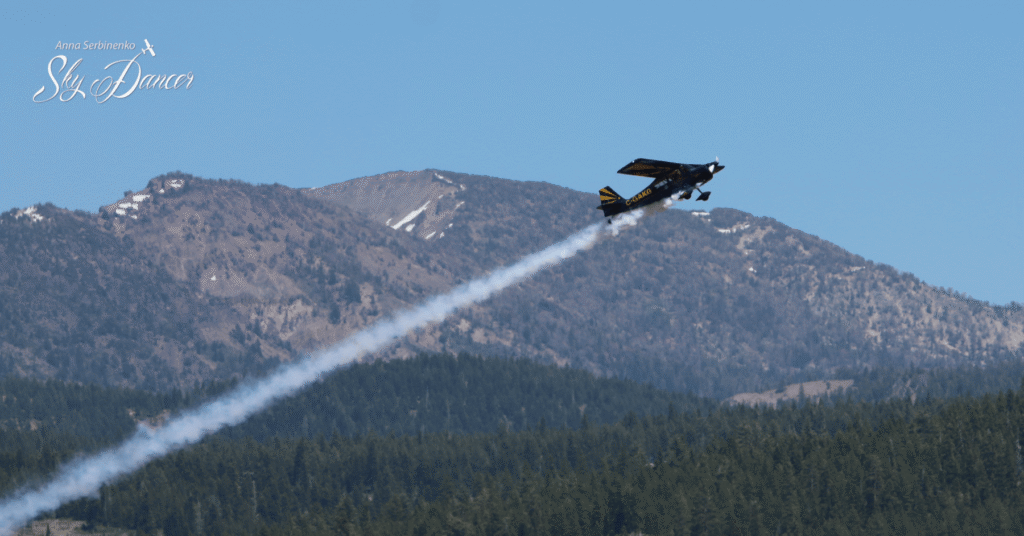
Aerobatics isn’t just about bravery or adrenaline – it’s a calculated dance with gravity, momentum, and aerodynamic forces. From loops to hammerheads, every maneuver follows strict mechanical principles that keep the pilot safe and in complete control.
Ready to unravel the physics of aerobatics? Let’s dive in.
The Physics of Aerobatics
1. The Role of GForces in Aerobatics
G-force, or gravitational force, is a measure of acceleration, specifically the force experienced due to gravity or other accelerations, expressed as multiples of the Earth’s standard gravity (1G).
For aerobatic pilots, some endure extreme G Forces of up to +12G.
Aerobatics Physics at Play:
Positive Gs: Blood rushes away from the brain, risking blackout Negative Gs: Blood pools in the head, causing redouts
Countermeasures:
Aside from wearing G Suits, aerobatic pilots must practice muscle tensing techniques to stay conscious, especially when in a loop and reaching the bottom of the curve where maximum Gs are experienced.
2. Speed vs. Altitude
Aerobatic planes trade kinetic energy (speed) for potential energy (altitude), and vice versa, to maintain energy and control of the aircraft.
Aerobatics Physics Concepts:
Climbing: Since climbing is going in the opposite direction of gravity, speed is often traded for altitude to be able to complete the maneuver. Hence, kinetic energy is traded for potential energy.
Diving: When a plane descends, potential energy turns back into kinetic energy, increasing speed.
3. Lift, Drag, and Control Surfaces
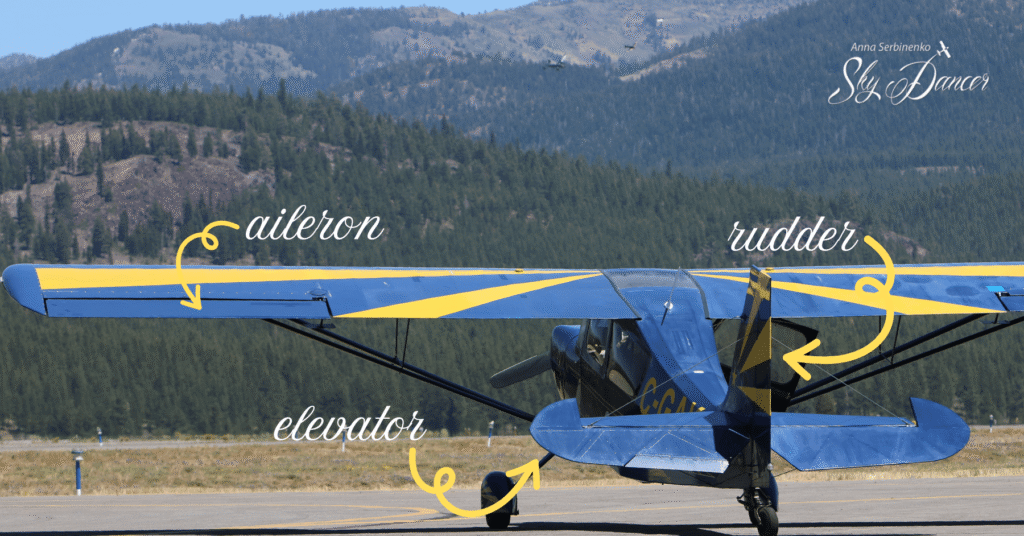
Aerobatic aircraft rely on exaggerated control surfaces for rapid response:
Ailerons Rudder Elevator
For example: In a barrel roll, a pilot must combine aileron and elevator inputs to create a corkscrew path without losing altitude.
4. The Physics of Aerobatics’ Iconic Maneuvers
Aileron Roll Physics: Pure rotation along the longitudinal axis (like a barrel rolling sideways).
Accelerated Stall Physics: Inducing a stall at high speed by exceeding the wing’s critical angle of attack.
Loop Physics: Circular motion sustained by centripetal force.
Humpty Bump Physics: Energy swap (speed ↔ altitude) with a vertical “bounce.”
Hammerhead (Stall Turn) Physics: Vertical climb to zero airspeed, then pivot using rudder.
The Science of Art and the Art of Science
Aerobatics merges art and physics. Every maneuver relies on Gforces, energy exchange, and aerodynamic control. Aerobatic pilots are masters of lift, drag, and inertia to perform stunts safely, while enduring extreme physical demands.
Understanding these principles reveals why aerobatics isn’t just spectacle – it’s science in motion, a masterful dance in the sky.