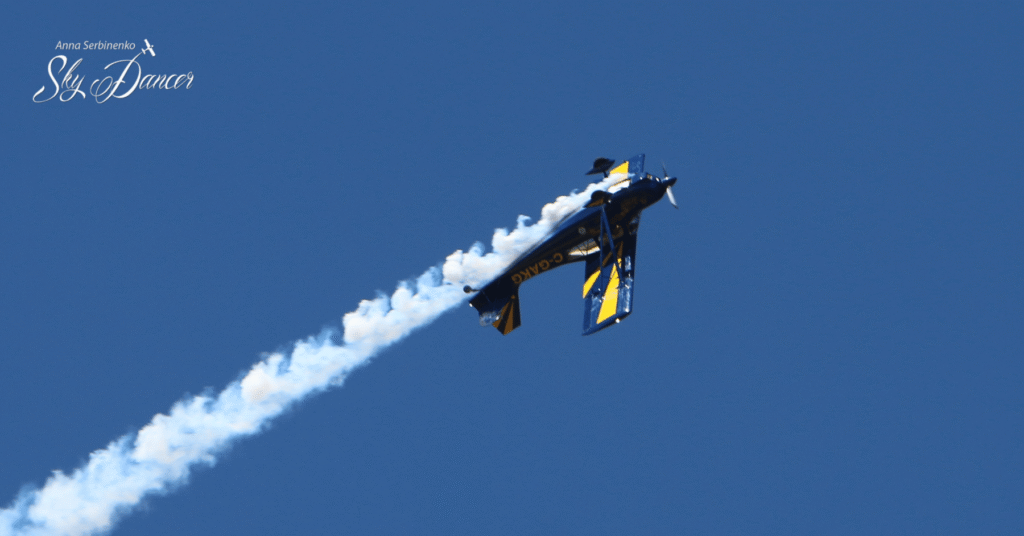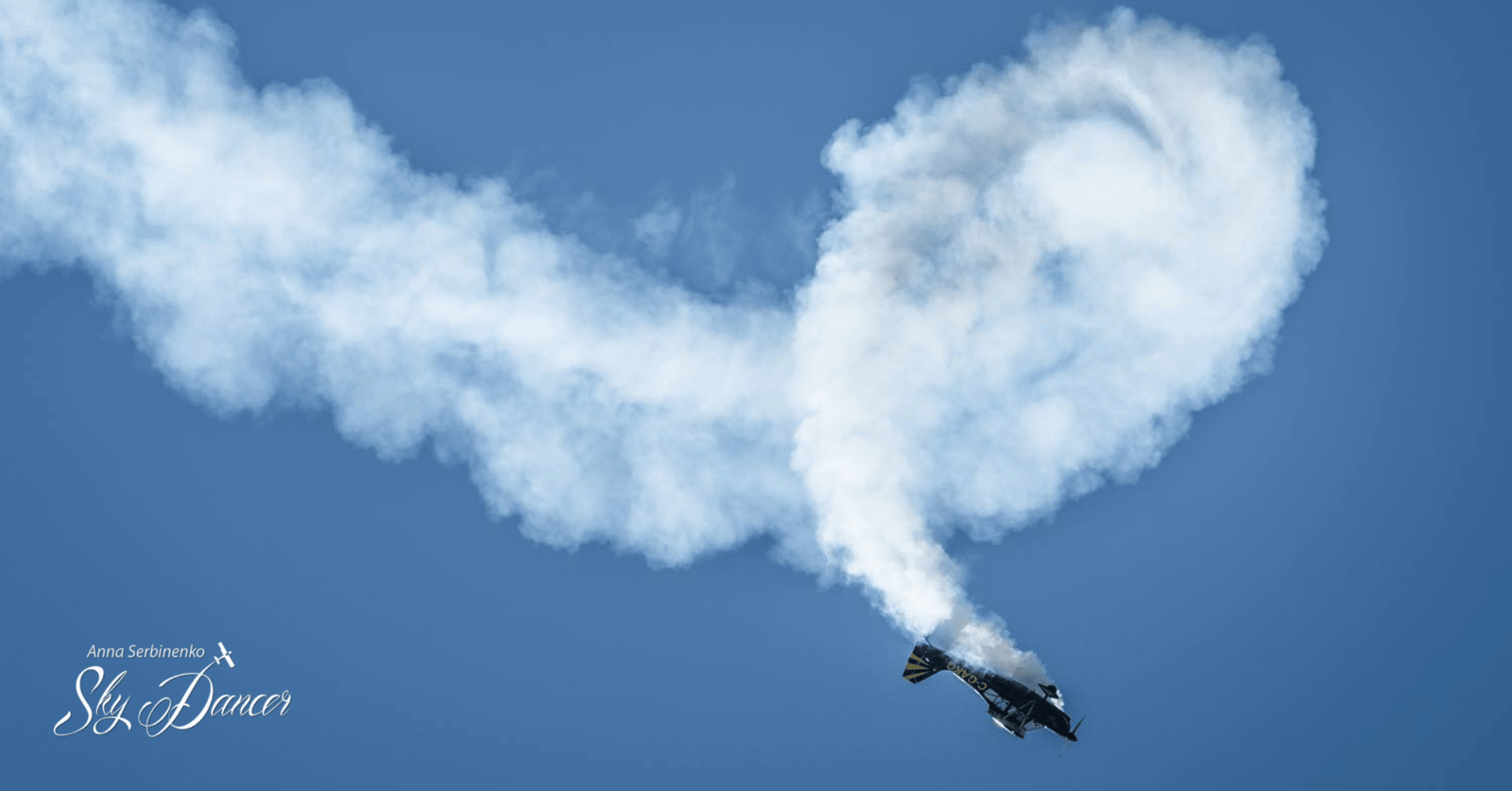
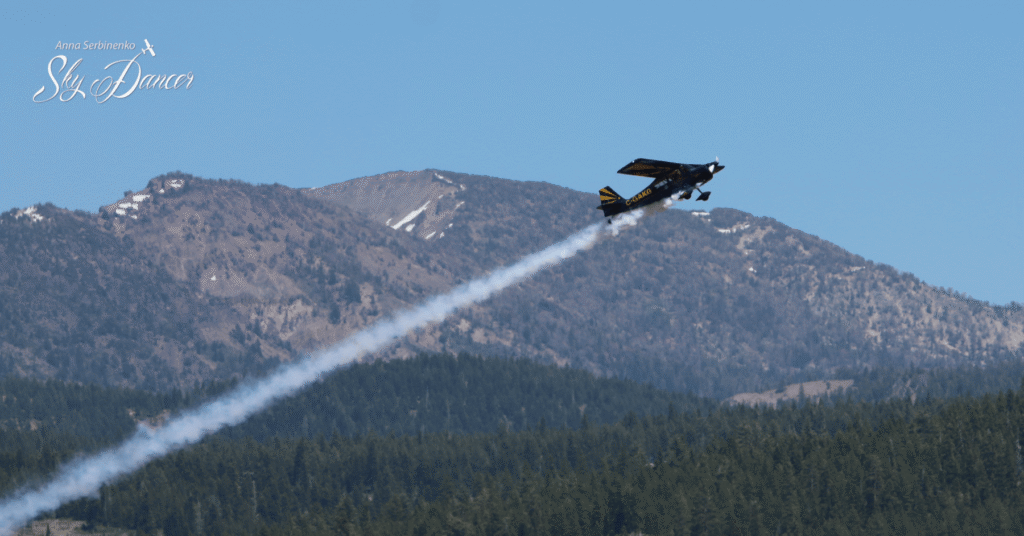
Aerobatics isn’t just about bravery or adrenaline – it’s a calculated dance with gravity, momentum, and aerodynamic forces. From loops to hammerheads, every maneuver follows strict mechanical principles that keep the pilot safe and in complete control.
Ready to unravel the physics of aerobatics? Let’s dive in.
The Physics of Aerobatics
1. The Role of GForces in Aerobatics
G-force, or gravitational force, is a measure of acceleration, specifically the force experienced due to gravity or other accelerations, expressed as multiples of the Earth’s standard gravity (1G).
For aerobatic pilots, some endure extreme G Forces of up to +12G.
Aerobatics Physics at Play:
Positive Gs: Blood rushes away from the brain, risking blackout
Negative Gs: Blood pools in the head, causing redouts
Countermeasures:
Aside from wearing G Suits, aerobatic pilots must practice muscle tensing techniques to stay conscious, especially when in a loop and reaching the bottom of the curve where maximum Gs are experienced.
2. Speed vs. Altitude
Aerobatic planes trade kinetic energy (speed) for potential energy (altitude), and vice versa, to maintain energy and control of the aircraft.
Aerobatics Physics Concepts:
Climbing: Since climbing is going in the opposite direction of gravity, speed is often traded for altitude to be able to complete the maneuver. Hence, kinetic energy is traded for potential energy.
Diving: When a plane descends, potential energy turns back into kinetic energy, increasing speed.
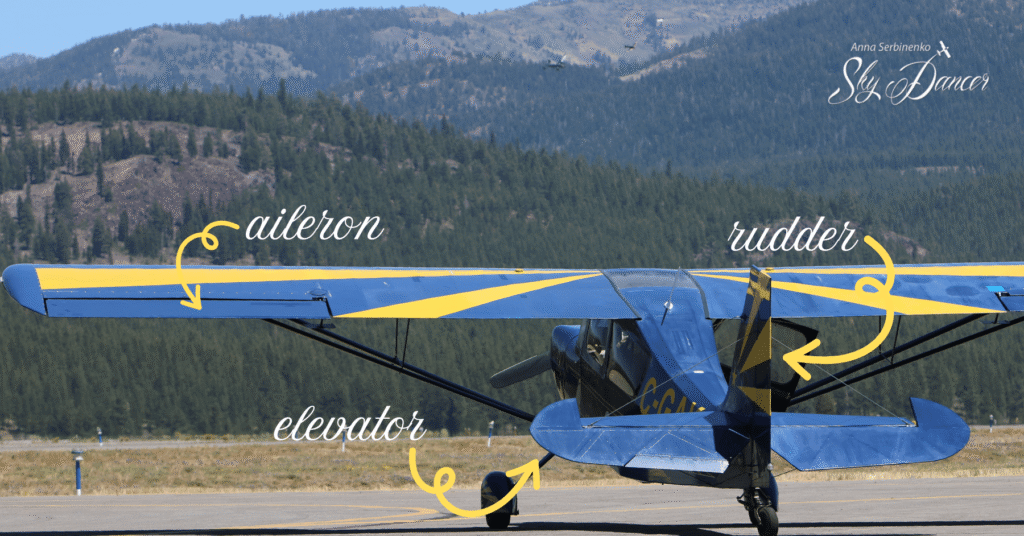
3. Lift, Drag, and Control Surfaces
Aerobatic aircraft rely on exaggerated control surfaces for rapid response:
Ailerons
Rudder
Elevator
For example: In a barrel roll, a pilot must combine aileron and elevator inputs to create a corkscrew path without losing altitude.
4. The Physics of Aerobatics’ Iconic Maneuvers
Aileron Roll
Physics: Pure rotation along the longitudinal axis (like a barrel rolling sideways).
Accelerated Stall
Physics: Inducing a stall at high speed by exceeding the wing’s critical angle of attack.
Loop
Physics: Circular motion sustained by centripetal force.
Humpty Bump
Physics: Energy swap (speed ↔ altitude) with a vertical “bounce.”
Hammerhead (Stall Turn)
Physics: Vertical climb to zero airspeed, then pivot using rudder.
The Science of Art and the Art of Science
Aerobatics merges art and physics. Every maneuver relies on Gforces, energy exchange, and aerodynamic control. Aerobatic pilots are masters of lift, drag, and inertia to perform stunts safely, while enduring extreme physical demands.
Understanding these principles reveals why aerobatics isn’t just spectacle – it’s science in motion, a masterful dance in the sky.