Are you a frequent flyer who struggles to maintain a workout routine while on the go? It’s easy to let your fitness goals slip when your schedule is packed with meetings, flights, and sightseeing. But with a little planning and creativity, you can stay active and healthy, no matter where your travels take you.
Setting Realistic Fitness Goals
The first step to staying fit while traveling is to set realistic fitness goals. Don’t overwhelm yourself with lofty targets. Start small and gradually increase the intensity and duration of your workouts.
Crafting a Flexible Workout Plan
Be flexible and adapt your workout plan to your travel schedule. Consider scheduling workouts during downtime, such as between flights or after meetings. Even short bursts of exercise can make a big difference.
Finding Creative Ways to Exercise
No gym? No problem! Explore alternative options for exercise, such as:
Hotel fitness centers: Many hotels offer basic gym equipment, swimming pools, or even jogging paths.
Outdoor workouts: Take advantage of local parks and trails for walking, running, or hiking.
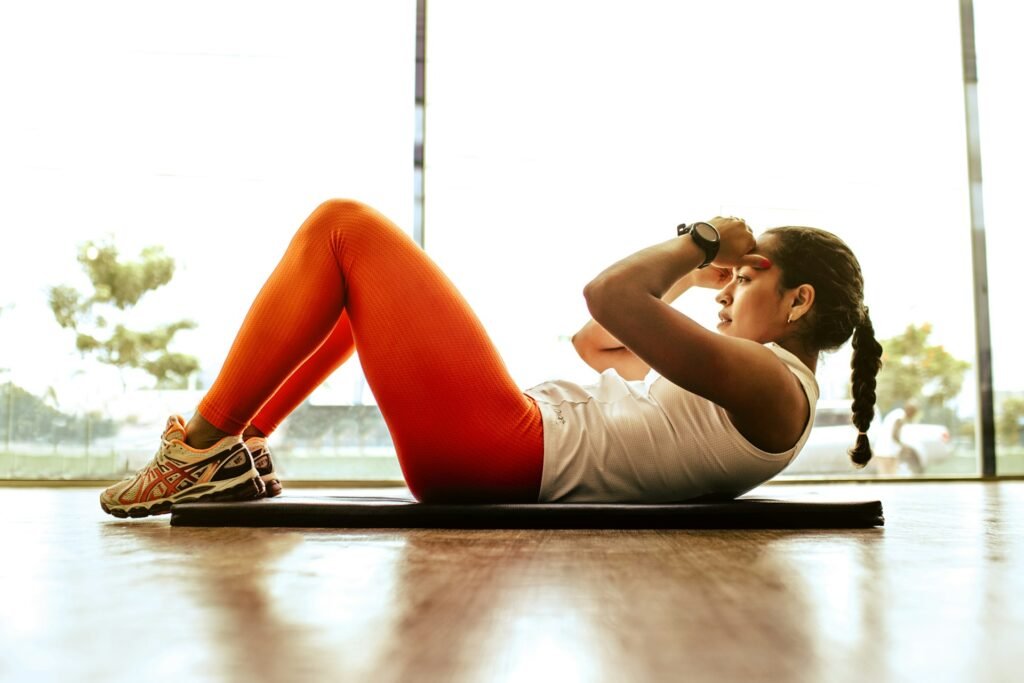
Bodyweight exercises: You can do a variety of effective workouts using your own body weight.
Group fitness classes: Look for local gyms or fitness studios that offer group classes.
Maintaining Motivation and Consistency
Staying motivated and consistent can be challenging while traveling. Here are some tips to help you stay on track:
Pack workout essentials: Keep a small workout bag with essentials like resistance bands, a yoga mat, or running shoes.
Find a workout buddy: Having a workout partner can help you stay motivated and accountable.
Reward yourself: Treat yourself to something special after achieving your fitness goals.
Incorporating Healthy Eating Habits
Healthy eating is just as important as exercise. Here are some tips for staying healthy while traveling:
Pack healthy snacks: Bring along nutritious snacks like nuts, fruits, or vegetables.
Choose healthy meal options: Look for restaurants that offer healthy options, such as salads, grilled chicken, or fish.
Stay hydrated: Drink plenty of water throughout the day.
By following these tips, you can stay fit and healthy while traveling. Remember, even small amounts of exercise can make a big difference. So don’t let your busy travel schedule prevent you from prioritizing your health and well-being.
In today’s fast-paced world, staying active and healthy is more important than ever. For frequent flyers, maintaining a fitness routine can be challenging. However, with the advent of fitness trackers, it’s now easier than ever to track your progress and stay motivated, even while on the road.
Smartphones: The Simple Solution
While smartphones may not offer the same level of detail as dedicated fitness trackers, they can be a great starting point for tracking your daily activity. Most modern smartphones come equipped with basic features such as step counting, calorie estimation, and GPS tracking.
Smartwatches: A Versatile Option
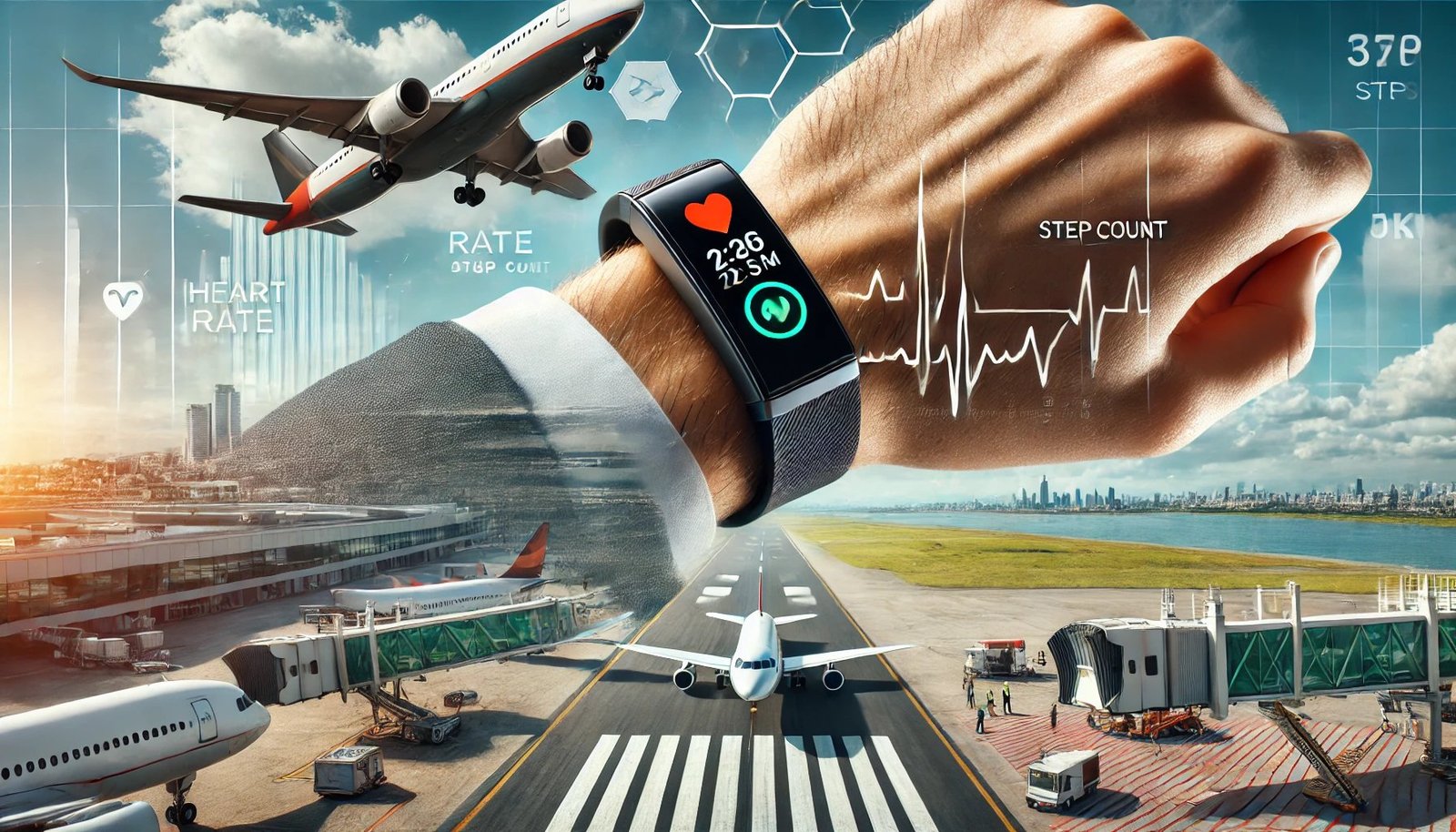
Smartwatches offer a more comprehensive range of features, including heart rate monitoring, sleep tracking, and even contactless payments. They’re perfect for those who want a device that combines fitness tracking with everyday convenience.
Dedicated Fitness Trackers: For the Data-Driven Aviator
If you’re a serious athlete or simply want to dive deep into your fitness data, a dedicated fitness tracker might be the right choice for you. Garmin watches excel at tracking distance-based activities like running and cycling, while Fitbits offer a wider range of sports modes.
A New Frontier: Oura Ring
For a truly discreet and stylish fitness tracker, consider the Oura Ring. This wearable device tracks your heart rate, body temperature, and sleep quality, providing valuable insights into your overall well-being.
Choosing the Right Tracker
The best fitness tracker for you depends on your individual needs and preferences. Consider factors such as:
Features: Do you need heart rate monitoring, sleep tracking, or GPS?
Battery life: How often do you need to charge your device?
Comfort: Ensure the tracker is comfortable to wear on a daily basis.
Price: Set a budget for your fitness tracker.
Fitness trackers can be a valuable tool for staying active and healthy while traveling. Whether you’re a casual exerciser or a dedicated athlete, there’s a tracker out there to suit your needs. So why not give one a try and see how it can help you reach your fitness goals?
It’s summertime, and the heat is on! Staying hydrated is crucial to maintain optimal health and performance. In this episode of Healthy Aviation, we’ll explore the importance of hydration, tips for tracking your water intake, and the benefits of electrolyte drinks.
The Importance of Hydration
Dehydration can have serious consequences, ranging from headaches and fatigue to more severe issues. The average person needs 2-3 liters of water per day, but this can vary based on factors like activity level, size, and weather conditions.
Tracking Your Water Intake
One of the biggest challenges is ensuring you’re drinking enough water. Here are a few tips:
Carry a water bottle: This is a simple yet effective way to stay hydrated throughout the day.
Set reminders: Use your phone or watch to remind yourself to drink water regularly.
Track your intake: Consider using a water tracking app or a simple journal.
The Benefits of Electrolyte Drinks
While water is essential, electrolyte drinks can be beneficial, especially during hot weather or intense physical activity. Electrolytes help regulate fluid balance and maintain proper muscle function.
Key Takeaways
Hydration is crucial for overall health and well-being.
Track your water intake to ensure you’re drinking enough.
Consider using electrolyte drinks to replenish essential minerals.
Enjoy the sunshine, but stay hydrated!
Want to see more tips for healthy flying habits? Want to see more tips for healthy flying habits? Visit annaskydancer.com for more aviation-related content!
Head over to the Canadian Flight Centre website (www.cfc.aero) to explore our training programs and resources. They can help you soar to new heights while staying healthy and safe!
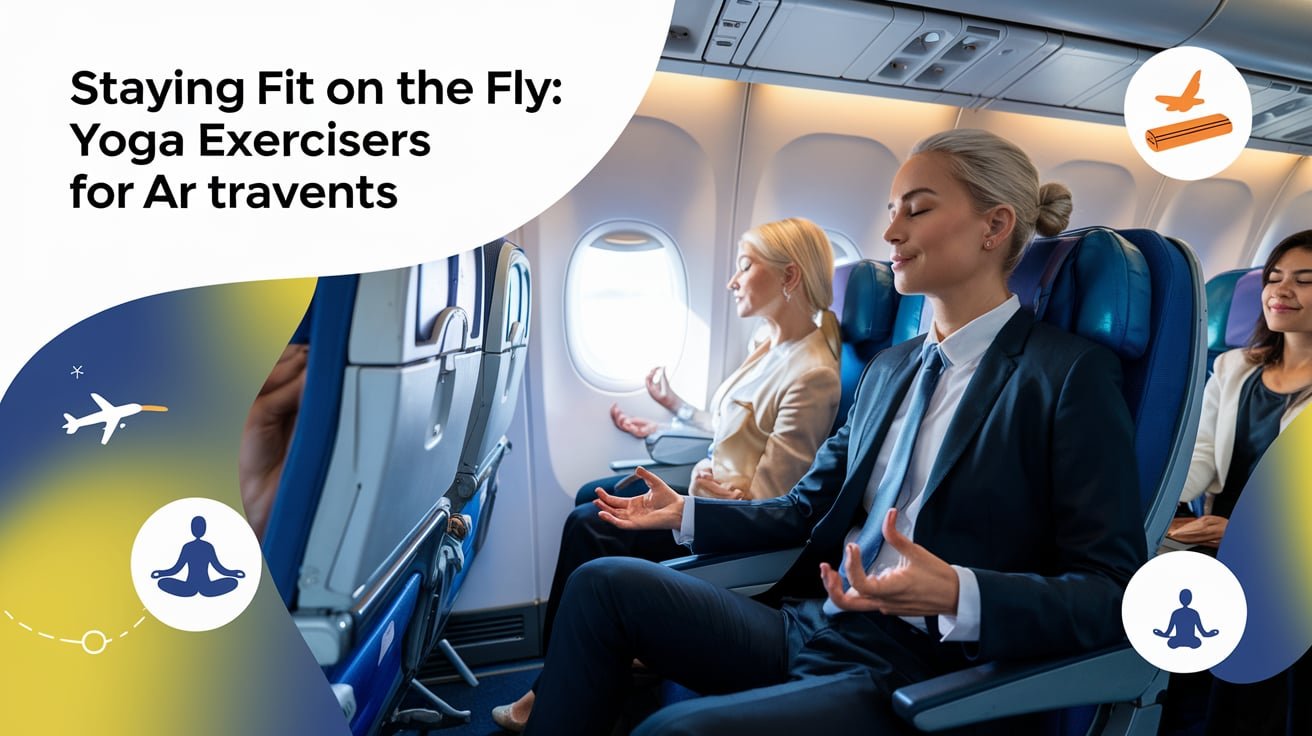
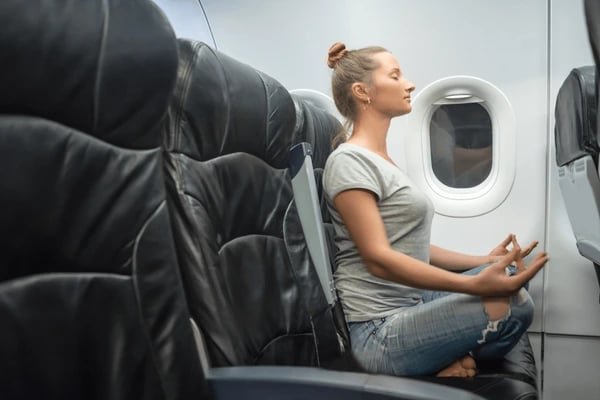
Whether you’re up in the friendly skies as a pilot or nestled in your economy seat as a passenger, maintaining a sense of flexibility and circulation during the flight can make all the difference. Here, we’ve compiled a series of simple yet effective yoga exercises you can perform in your seat. Remember, safety first—only practice these movements when it’s safe and appropriate given your flight circumstances.
Getting Started: Mind Your Space and Safety
Before you embark on these exercises, take a moment to assess your personal space and surroundings. Ensure you won’t disturb your neighbors or put yourself in an uncomfortable position. Movement is a great way to keep blood circulation flowing and ward off fatigue, helping you feel rejuvenated upon arrival.
Neck and Head Stretches
Begin with gentle neck stretches to promote relaxation: Place your right hand on top of your left ear and gently pull your head to the right. The weight of your hand should be enough, no need to force it. Switch sides with your left hand reaching over to the right ear, pulling gently.
Interlace your fingers behind your head and gently pull forward, allowing your head to fall naturally. Feel this stretch on the back of your neck and between your shoulder blades. Introduce gentle side-to-side movements if desired.
Torso and Shoulder Activation
Next, give some love to your shoulders and back: Perform a spinal twist by placing your right hand behind you and your left hand on your right knee. Sit tall and rotate your torso to the right, keeping your hips stable. Repeat on the opposite side.
Twist side-to-side by placing your left hand on the right side of your seat, raising your right hand overhead, and bending to the left to stretch your right side. Repeat with your opposite arm.
Core and Leg Engagement
Now, activate your core and legs with these simple techniques: Seated cat-cow: Gently alternate between arching and rounding your back.
Knee hugs: Bring one knee to your chest and circle your ankle. Switch sides and repeat.
Calf stretch: Cross your right ankle over your left knee and apply gentle pressure to your right knee. Feel the stretch in your hip and hamstrings, then switch legs.
Final Relaxation: Breathe and Center
To conclude your in-flight stretch routine, focus on your breath: Take a few deep breaths, inhaling to sit tall, and exhaling to relax.
Consider how your body feels at the session’s end—energized, relaxed, and prepared for the remainder of your journey.
Conclusion
And there you have it—a quick and efficient yoga routine to keep you feeling your best during your flight. Thanks for joining us on this “Healthy Aviation” journey. Safe travels, and may your body and mind feel less burdened no matter how long the journey. We look forward to joining you for future sessions as you soar smoothly across the skies!
Maintaining proper nutrition during air travel is one of the most significant challenges for pilots, flight crews, and frequent travelers. In this post, we’ll explore how to manage your diet while traveling, ensuring you stay energized, focused, and healthy. Whether you’re navigating long-haul flights or layovers, keeping track of what you eat is crucial for your overall well-being.
Why Nutrition Matters in Aviation
You’ve likely heard the saying, “You lose fat in the kitchen, and gain muscle in the gym.” For aviators, maintaining a well-balanced diet is key to staying alert and performing at your best. The changing environments and often irregular meal schedules that come with frequent air travel can wreak havoc on your body.
When you’re in the air, your body doesn’t pause its functions—it continues to process the calories and nutrients you consume. Tracking what you eat helps you maintain a balanced intake of macros—proteins, fats, and carbs—ensuring you’re not only managing weight but also maintaining energy and focus.
Simplifying Nutrition Tracking with My Fitness Pal
Tracking your meals while traveling can seem overwhelming, but modern technology has made it easier than ever. Apps like My Fitness Pal are powerful tools for managing your nutritional intake. Here’s how you can use it to keep your diet on track while flying:
Initial Setup:
Enter your age, weight, height, and health goals into the app. Whether your objective is to lose weight, build muscle, or maintain your current status, the app will provide personalized calorie and macro recommendations tailored to your needs.
Log Your Meals:
One of the app’s best features is its extensive food database. Whether you’re eating at a restaurant in a foreign country or snacking on packaged food during a flight, you can easily find nutritional information. The barcode scanner allows you to quickly input details from packaged snacks, making the process even more efficient.
Track in Real-Time:
As you consume meals, log them directly into the app. The quick-access feature saves frequent foods (like your go-to coffee) so you can easily log recurring items. This helps you stay consistent with tracking and ensures your calorie intake aligns with your goals.
Managing Your Calorie Budget
A significant benefit of tracking meals is receiving real-time feedback on your daily calorie intake. You’ll always know how many calories you’ve consumed and how many you have left in your day’s “budget.”
For those juggling multiple meals on the go, the app also helps you monitor your intake of proteins, fats, and carbs. This not only keeps you within your calorie budget but ensures you’re consuming a well-balanced diet, even when food options are unpredictable.
Discipline is Key for Staying Healthy While Traveling
While tracking your meals is essential, maintaining discipline can be the toughest part. When you’re busy flying or exploring a new city, it’s easy to grab snacks without logging them. Small items like fruit, cookies, or protein bars can quickly add up.
At first, sticking to your calorie budget may feel challenging, but your body will adjust. Over time, you’ll find that you crave fewer snacks and feel more satisfied with balanced meals. This adjustment is crucial for staying healthy and focused during your travels.
Benefits of a Balanced Diet for Aviators
Once you adapt to your new eating habits, the benefits are undeniable. A balanced diet doesn’t just reduce calorie intake—it boosts your energy levels, sharpens your focus, and keeps you feeling light and energetic. Whether you’re piloting a plane or handling busy travel schedules, maintaining a well-rounded diet helps you perform at your best.
Final Thoughts on Aviation Nutrition
Maintaining a healthy diet during air travel is essential for staying fit, energetic, and focused. By utilizing apps like My Fitness Pal and staying disciplined, you can easily manage your nutrition on the go. Whether you’re a commercial pilot, flight crew member, or frequent traveler, tracking your meals ensures you maintain optimal health during long-haul flights and travel adventures.
If you have any questions or suggestions for other topics related to aviation health or healthy travel tips, feel free to leave a comment below! Safe travels and healthy eating!
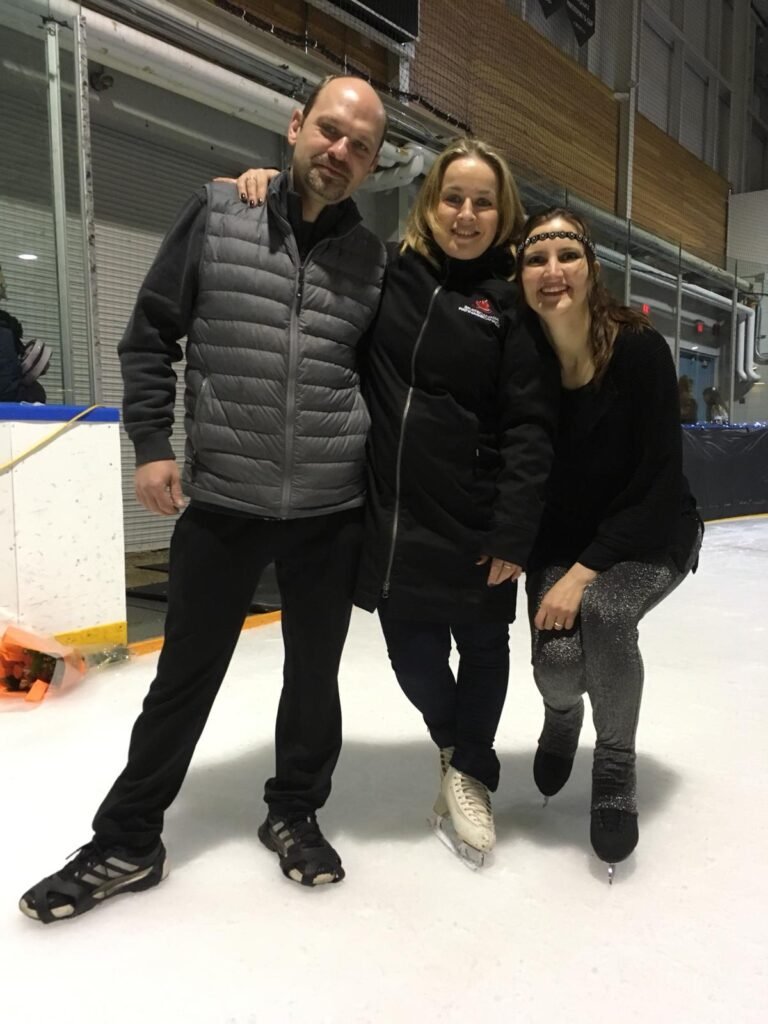
Today, I’m a new competitive athlete, 2 years into the sport of figure skating. Many skaters are retired before their 20th birthday. I’m 36 and I’m writing this on the flight back home from my first international competition, Winter World Masters Games 2020 (WWMG2020) in Innsbruck, Austria.
A couple of years ago, one mundane morning I stepped on my bathroom scale as usual, and it almost started swearing back at me with a new (higher) digit at the end. I was always happy that “I could eat anything I want, and it does not reflect on me”. Well, that time obviously was in the past. Something had to be done. I refused to go shopping for new cloths next size up. I don’t like running. I’m not good at swimming. And gym is boring. Then I remembered that I quite enjoyed the annual Christmas skate with my son, and thought that a few laps around the rink might do me good. So it became my lunch break routine. Then I wanted more. Started taking lessons. Then I wanted to take it to the next level and compete. So I did.
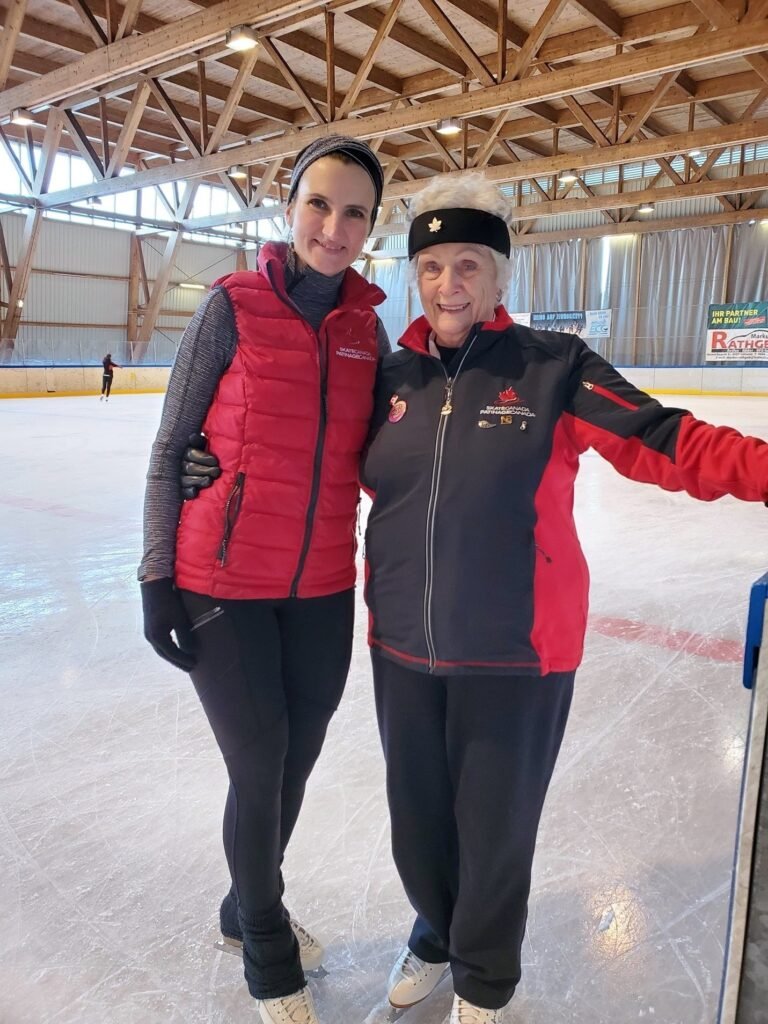
When I first came to an adult drop-in figure skating session I was warmly greeted by Linda, a 78 year young skater who was just putting her skates on. I very soon learned that she only started skating in her fifties, and she has been competing internationally in her category for several years now. Wow! Soon I met some other regulars. Some were skating since they were kids, and made this beautiful sport part of their adult life. Some started like me, as an adult, at different ages.
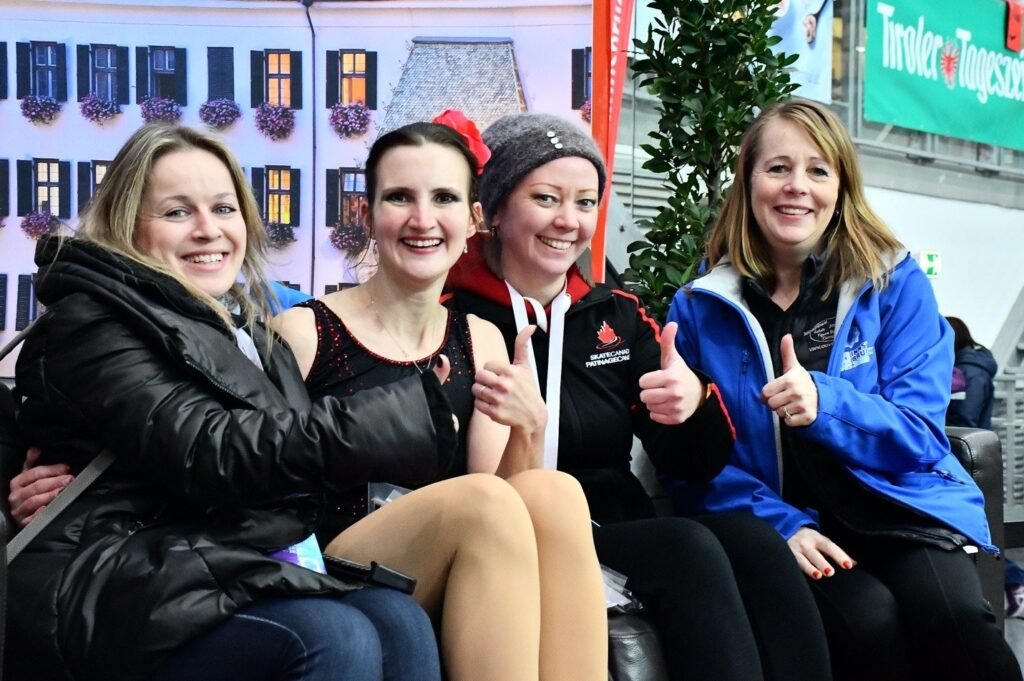
A big treat the figure skating life had for me is meeting my coaches Anastasia, her brother Pavel, and Lena: amazing – and fun! – they are one of main reasons I was able to get where I am.
I wanted to figure skate when I was a little girl, but I’m happy I started it as an adult. The experience was richer and more unexpected. It was my decision, my timing, my commitment. Yes, I am too far behind the 12-year-olds jumping quads, and just modestly working on some doubles right now. But I met the most amazing people, built connections, felt genuine support and experienced friendship. I learned determination and courage.
The WWMG2020 was an experience beyond expectations. I was of course nervous about my skate, but I still got to watch others, share the experience and build connections.
Do you know that the oldest competitor in the Games, Pat Noddin, is 83 years old? And she started skating only at 58. This was the most touching skate to watch – the group of Bronze Ladies V Artistic Freeskate. A bunch of grandmas giving each other high-fives at the end of the warm-up. They all already won! – by being there, by stepping up at the Olympic ice. And after watching them, none of us has the right to give up, because these ladies have proven it can be done. When Pat did her skate, the stands were filled, and we all had tears in our eyes. She was for the first time on the ice centre by herself since a broken hip and a hip surgery 5 months prior. It was her competition skate, and she did it! “I did it my way” said the words of the song playing. Pat is such an inspiration for all of us, we were all so overwhelmed and in tears. “The judges must be having a hell of a time judging me” was her comment later.
Came the day of my skate, and my knees were trembling. The coach did everything possible to get me ready, and I was.
But as competitive as I am – to my huge surprise to myself – the score did not even matter that much. I was not nervous on the ice anymore once the music started. I knew what I had to do. I was so pumped with adrenaline that I could have probably done it more than once. It did not feel tense or hostile, skating “against” someone. It felt that everyone wanted everyone to do well. Even the skaters in my group, competing against each other, were wishing each other luck and exchanging hugs.
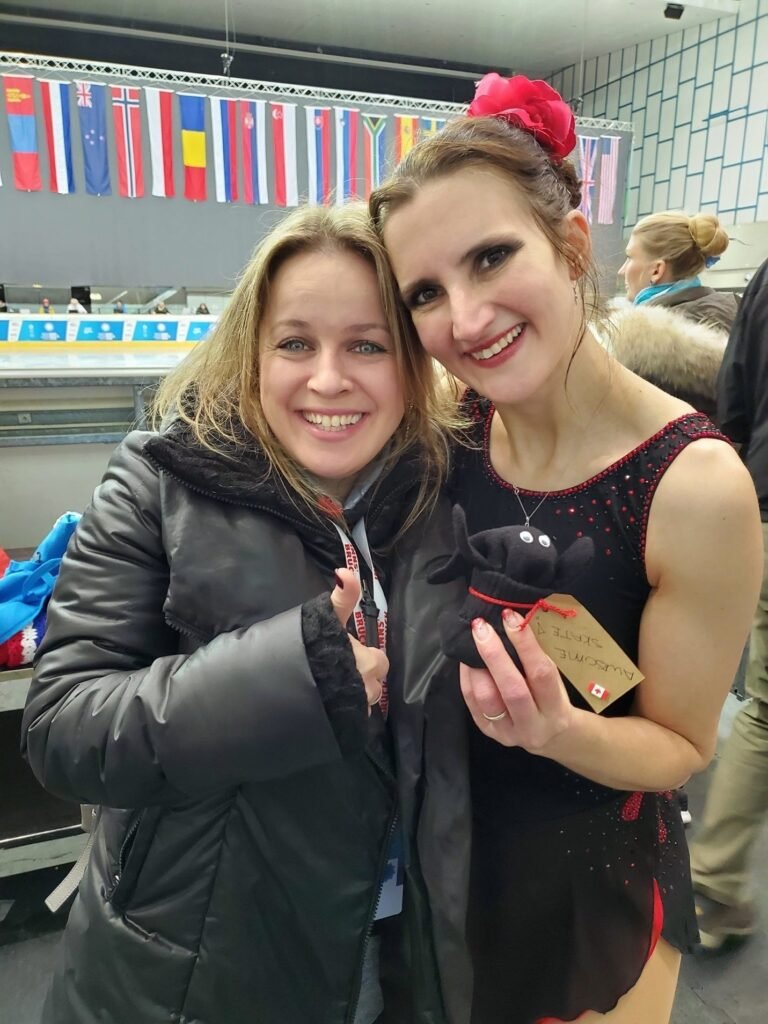
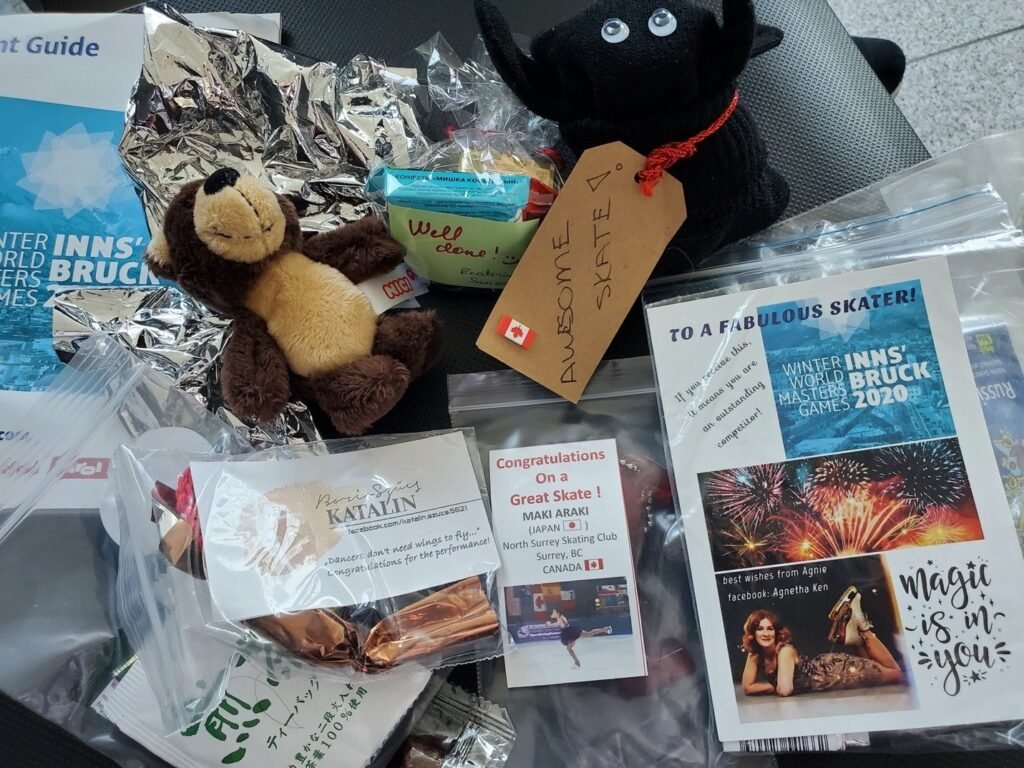
When I finished the skate, I got several little gifts tossed on the ice for me with notes “Awesome Skate!”, “Well Done!” and contacts of people I’ve never met in my life – now felt like friends. They were from Canada, Russia, Czech Republic, Japan, China… This experience was overwhelming!
Some of my family travelled to Austria just to support me. And when I later checked the phone, it was inundated with messages from friends and family all over the world, many woke up at odd times or stopped their day – to watch live my skate in Austria. I had no clue how many people cared to do it. And it was so so special!
I NOW knew, not just in theory like before, that it’s not the score that matters but the participation, the challenge, the experience. Of course, I have goals for my training, and I already have the challenge for myself for the next season and I’ll work hard on it. But I also discovered and lived the wonderful journey that I equally enjoyed.
This is one of my favourite pictures from the trip. It’s not just the person in the front in the black dress, but also the one with long blonde hair to the right, behind the boards – the coach. It’s really the team that is skating for the next 2 minutes and 10 seconds. Sometimes the connections we build in long hours of training are beyond visible, and even entering that last spin I had the coach’s voice in my head “push!”. So i did, and gave it my all.
I started working when I was 13 years old. It was very uncommon for that time and place, most job required to be a minimum of 16 to apply. So I figured if I am my own boss, nobody can tell me how old I am supposed to be. I became self-employed, cosmetics sales consultant. And private tutor for English, French and Italian. After the first wonder at my young age, my customers were pleased with the quality they received. I was determined to prove my age did not matter in the value I delivered and I was super prepared every time. Doing it for the next 5 years, put me through my other language certifications and paid my move to a Swiss university. By the age of 20, I could write on my resume that I had 7 years of work self-employment experience, which was pretty impressive when my classmates barely logged a year or two of McDonald’s job.
I entered university when I was 15. When I came to apply, I was supposed to present my passport, but I did not even own one as they were issued at 16. They took me anyways. All my classmates were about 18+ by then. My original plan was to graduate at 20 and start working. Turns out, these were 3 years were the buffer I needed to enter the 3rd year of the Swiss University when I turned 18. Despite my plans, I did not graduate at 20, but 25 – with 2 Bachelors, 1 Master’s, 1 Doctorate degree and a bunch of additional studies without an outcome with a particular piece of paper. The head start definitely helped. I was not planning on minimizing the time between graduation and retirement by staying in the universities forever.
Someone who amazed me when I was studying in Switzerland, are two students living in the student residence two floors above me – a 68-year-old Dutch lady studying literature and a 72 year old gentleman from Belgium doing his Master’s in theology. That was a truly inspiring lifelong learning!
I came to Canada, and made a 180 degrees turn in my career – leaving academia behind I took my first flight, and later made it my full time occupation. One would argue starting flying at 25, and not right out of high school minimizes your chances of advancing in the airline industry. Being a single mom of a 4 year old does not help either. But not if you become a flight instructor one year later! I always wanted to instruct anyways, as I already had been teaching in other areas for a while, and the airlines would have been boring anyways. Instructing also allowed me to combine my late start and motherhood with what I would consider pretty good aviation career as the Flight School and Charter company owner and an Airshow performer. My son back seated a countless number of my night flights in my process of getting there.
Now comes the last challenge – so far. At the age where most figure skaters these days peak their performance at 14 and retire before 20, I started figure skating at the age of 34. Too late? Try the 78 year old Linda Maundrell who is polishing her program on the same ice sessions or the 83 year old Pat Noddin competing in adult figure skating at the Winter World Master’s games earlier this year. But I did not know that at that time. I was just determined that “if they can do it, I can do it”. Yes, it is coming with its challenges. I am learning slower than the kids would – I also have a bigger height to fall from in my axel. Making lemonade here too? Adults think! Sometimes too much maybe. But definitely enough that by the time you learn the moves you are pretty much ready to explain them in various way to someone else. Sounds like coaching? For sure! So here I am, 2.5 years into figure skating challenge and after a few competitions and shows, working on my coaching certification.
Why is this spontaneous sharing? I hope it gave you some thoughts, ideas and inspiration that age does not matter. Neither do race, nationality, gender or language. And if someone tells you otherwise – please do me a favour and prove them wrong!
All our family events were centered around food. And even a simple visit to a grandma was usually associated with a meal that looked like they were feeding an over-starved kid who did not eat for at least three months!
You think the North Americans are much different? Try a “cleanse”. For debatable reasons and debatable benefits, you can skip food (not water!) for a week or so, and – believe it or not! – still be alive and even well at the end of it. I tried it once with my partner. Guess what was the biggest challenge? Spoiler alert: it’s not what you might think. We ran out of social things to do! Taking a lunch break together? Oh, we can’t have lunch. Date night? What kind of date does not involve at least a coffee with dessert, or a snack, if not a full dinner? Road trip? Can’t try that local restaurant rated almost 5 stars on the Trip Advisor!
Somehow, in our spoiled society we believe that we will severely suffer if we don’t get at least 3 meals per day. But better 6 if you include snacks. Outcomes of this lifestyle include but not limited to extra fat in our body and extra “fat” in our brain. I don’t mean that literally of course about the brain. I refer to the fact that we are so busy with daily “stuff” and the rat race, that we spend little time thinking – and doing – very little for the “big picture”, purpose of life, legacy, eternity and spiritual life.
We’ve all heard of fasting, in different contexts. Intermittent fasting, fasting for medical reasons, prayerful fasting. Basically, not eating any food or only certain types of food for a specific reason.
You can think of fasting almost as an extreme version of a diet – like restricted food vs. no food. But it’s not entirely true. Diets usually deal with the types of food, maybe quantities. Fasting is about the timing – when you eat, not what you eat. Not to say that both cannot be combined for whatever reason.
Speaking of diets – I suck at it! I can only restrict myrself so much. I know for a fact that it is not the matter of IF, but WHEN I crack and that piece of dark chocolate jumps from the shelf straight into my mouth, unwrapping itself in flight. Sticking to calories budget is challenging, and “almost-no-calories” snacks that you “forget” to record, can so easily add up to extra 500 calories in a day. So realistically, even if you commit yourself to a 12 weeks diet to lose 20 pounds, but go back to the old habits right after – who cares? Your body will quickly rebuild its “reserves” it got used to. So unless you are committed – and more importantly, actually capable – to stick to your new diet for the rest of your life, don’t even bother torturing yourself for a few weeks.
Jesus fasted for 40 days in the desert – probably not something any modern human would even attempt voluntarily. Weight loss was not His issue of course. Christians fast sometimes on certain days of the week or holidays of the year. Other religions have that fasting element also – Ramadan comes to mind. The goal here is to stop, reflect, give up something earthly for something eternal.
Are you even comfortable being on your own? Quiet? Reflecting? Or you are so addicted to distraction, social media and noise – because they keep you away from that discomfort?
Now, after all this above-described whirlwind of thoughts that came to mind, the always-optimizing me asked the question: Why can it not be combined? Why can we not, while stopping and reflecting on life, or simply finding a quiet moment for ourselves, or just finding extra time to do something you always wanted – read a book or learn a new language – benefit from healthier eating habits? Maybe not even having to give up on the treats we love. Sounds too good to be true? Hear me out and do the math. I switched to only one (very good) meal per day, and here are some highlights:
Each meal takes you what, 30-60 minutes on average? Of course, it ranges from a quick sandwich swallowed while reading emails to taking time to shop, cook and serve the meal – or drive to the restaurant and wait for someone else to do it for you. Either way, it’s time. This is your gain #1
It’s a kind of “food management” method too. Counting calories and sticking to, say, 1500 calories per day budget can be tricky. But have you ever tried to eat a 1500 calories meal all at once? Even if you add dessert, you probably are not exceeding 1100-1200 calories in one meal. And if it’s your only meal in a day, you just won the “disciplined eater” award while licking the last piece of cheesecake off your spoon. This is your gain #2.
You can still enjoy food! In fact, instead of limiting myself in each of the 3 – or more – meals in a day, each time cutting back as much as possible, I now get to enjoy the whole range of foods I love, even without skipping a reasonable dessert. This is your gain #3.
Finally, channel your new time and energy. Yes, your stomach will be reminding you that it consists of emptiness. In the past, you reached for a snack when it happened. But what if you grabbed a glass of water instead and read a few pages of the book, did a language lesson on the app or said a prayer – reminding yourself that whatever you do is more important than a temporary discomfort you might feel. While the really enjoyable meal is just a few hours away anyways. This is your gain #4.
Losing weight for the sake of losing weight is hard, self-centered and often unsuccessful. But when it happens to be a by-product of you making more time for something more important, then both the richness of your life and the slimness of your line will benefit from it.
Remember to stay hydrated, drink plenty of water, electrolytes, and even unsweetened beverages. Life can be so enjoyable in healthy, productive and deep in many ways.
It was surprising to me, because I’m the kind of person who has the next 12-24 months usually planned in details, and yet I don’t even know now what happens tomorrow… And I’m ok with it. I’ve distanced myself from some people, not just physically. And it’s ok. I met new great and like-minded people, and one day soon we’ll even be able to give each other a hug. I have no idea what happens in the next days, weeks, months – with my business, family, health. But looking at the past years, I’ve had times I paid over $50 for one dinner, and times I had $50 as my monthly food budget. I’ve run a marathon or jumped an (under-rotated) axel on the ice, and I had times I couldn’t walk. But my track record of getting through all this stuff is so far 100%. Because I’m NOT in control. He is. And He is good. We don’t know all the future, but it will be ok. Because while we are still figuring it out, He’s got it. Thank You Jesus! For everything.